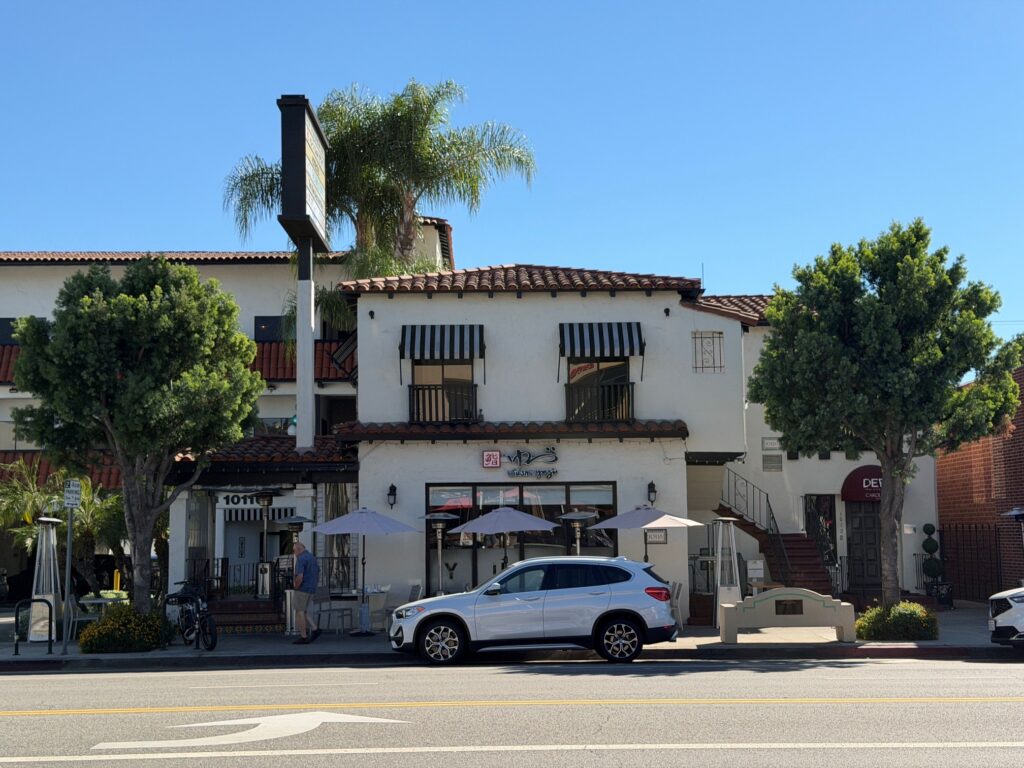
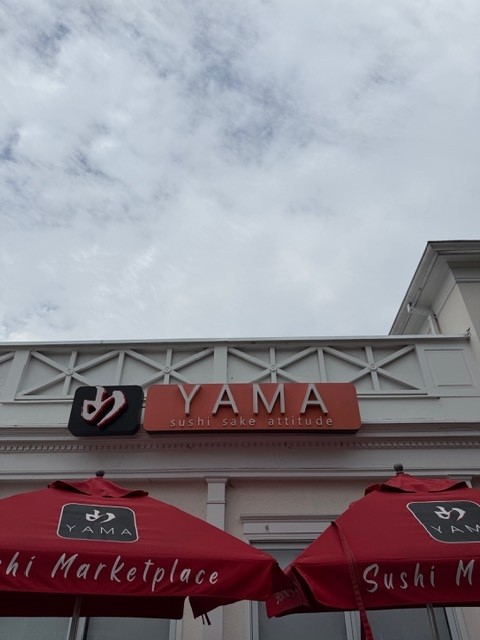
Outside Yama
They are the sushi markets.
Like New York, Los Angeles teems with sushi markets. Mituswa, Marukai, Little Tokyo, Nijiya. But Yama is a special case. “Not your typical market sushi” their website proudly proclaims. They don’t just offer sake – they offer “culture”.
“A cultural experience you won’t find anywhere else, featuring monthly classes led by our master chefs and Japanese culture experts.” Legitimately cool, minus the part where there’s no classes to book.
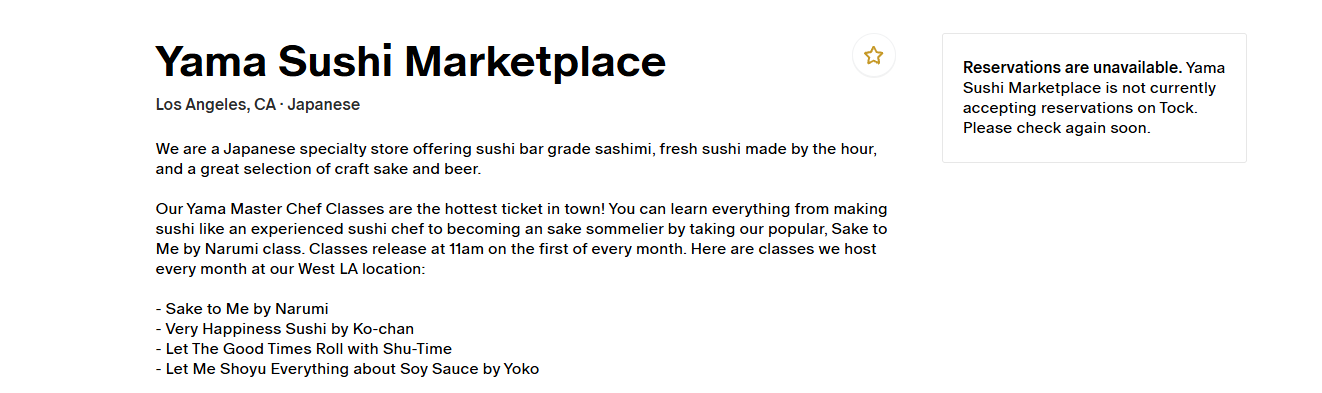
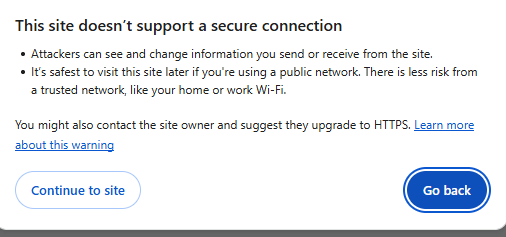
I’m sure that doesn’t stop the very fine people at Tock from taking their monthly fee. It also doesn’t stop their Tock page from linking to a very different – and very unsecure – website. Good job as always folks.
In any event, Yama has the right to boast; founded 41 years ago by Kenzo Yamada, its now run by a family that have professionalized the entire operation. That’s good and bad. Despite the class snafu, their blog highlights various events including rice matching, which I presume is the sushi version of selecting your wand at Olivander’s.
They also expanded Yama; there is the OG, in San Gabriel, another location in Little Tokyo and a third in West LA. The latter, best described as “drive through bank”, is the subject of this review. The good news is that if you’re reasonably patient, intelligent or both, there’s plenty of parking.
The crowds have followed. At 11:15 on a Saturday, the place was packed.
A tale of two cities
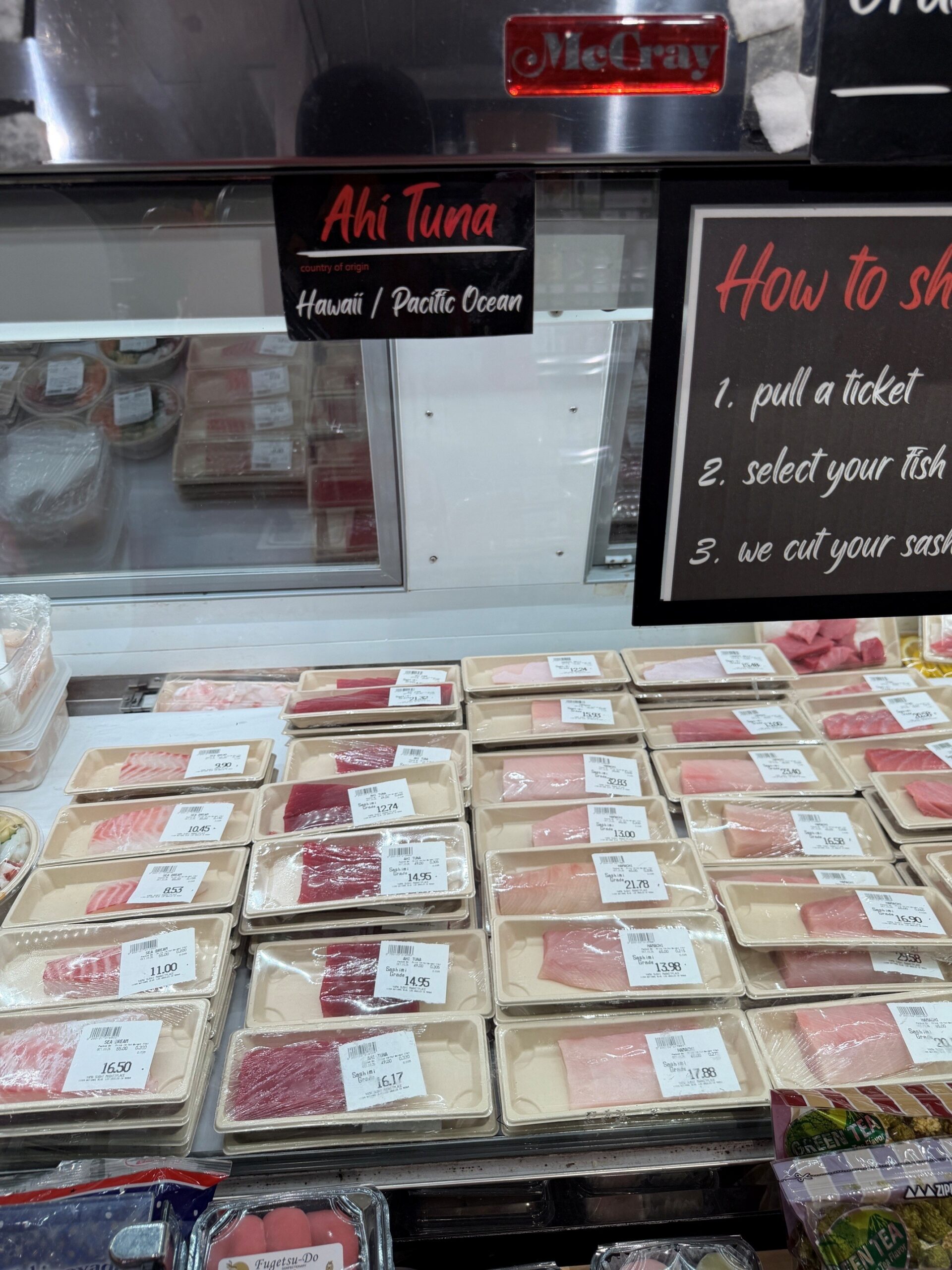
Yama comes in two parts. Most of the market is occupied by a cornucopia of ingredients that you won’t find at Erewhon, or at least I assume such. Never been. Scared I’ll catch Vocal Fry. That includes a counter of extensive sushi components for the DIYers, though I’d ignore the ‘sashimi-grade’ sign. No such term. Next time you hear someone use it, ask what that means. Good luck.
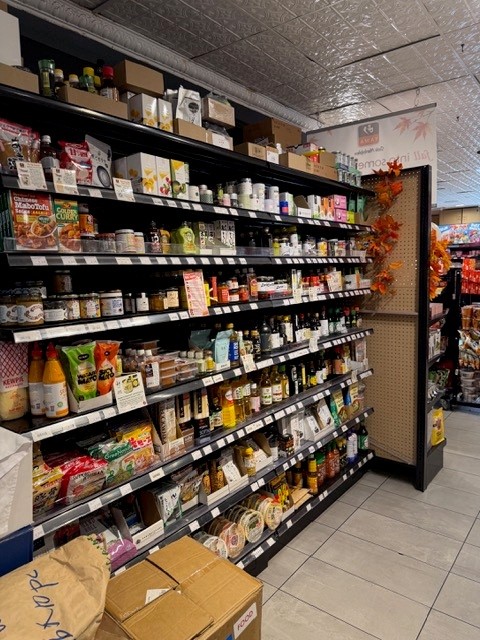
No shortage of ingredients
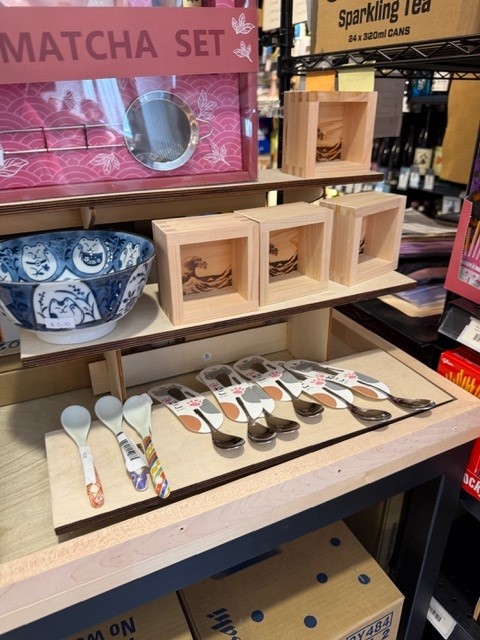
Or goods
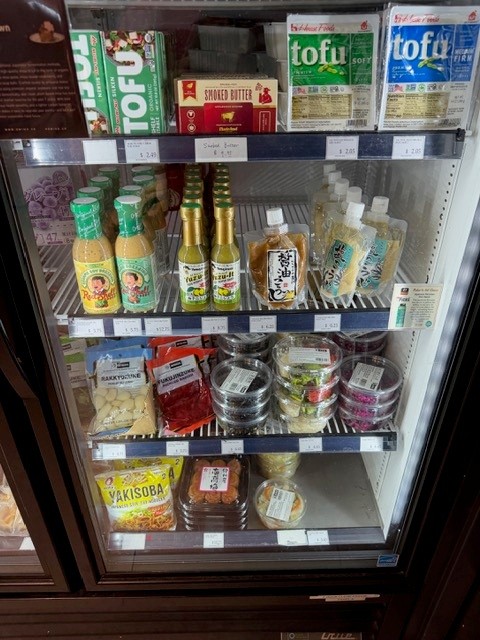
Love Yuzu
 But the focus of today’s blog is this wall of prepared sushi. It’s an inauspicious start.
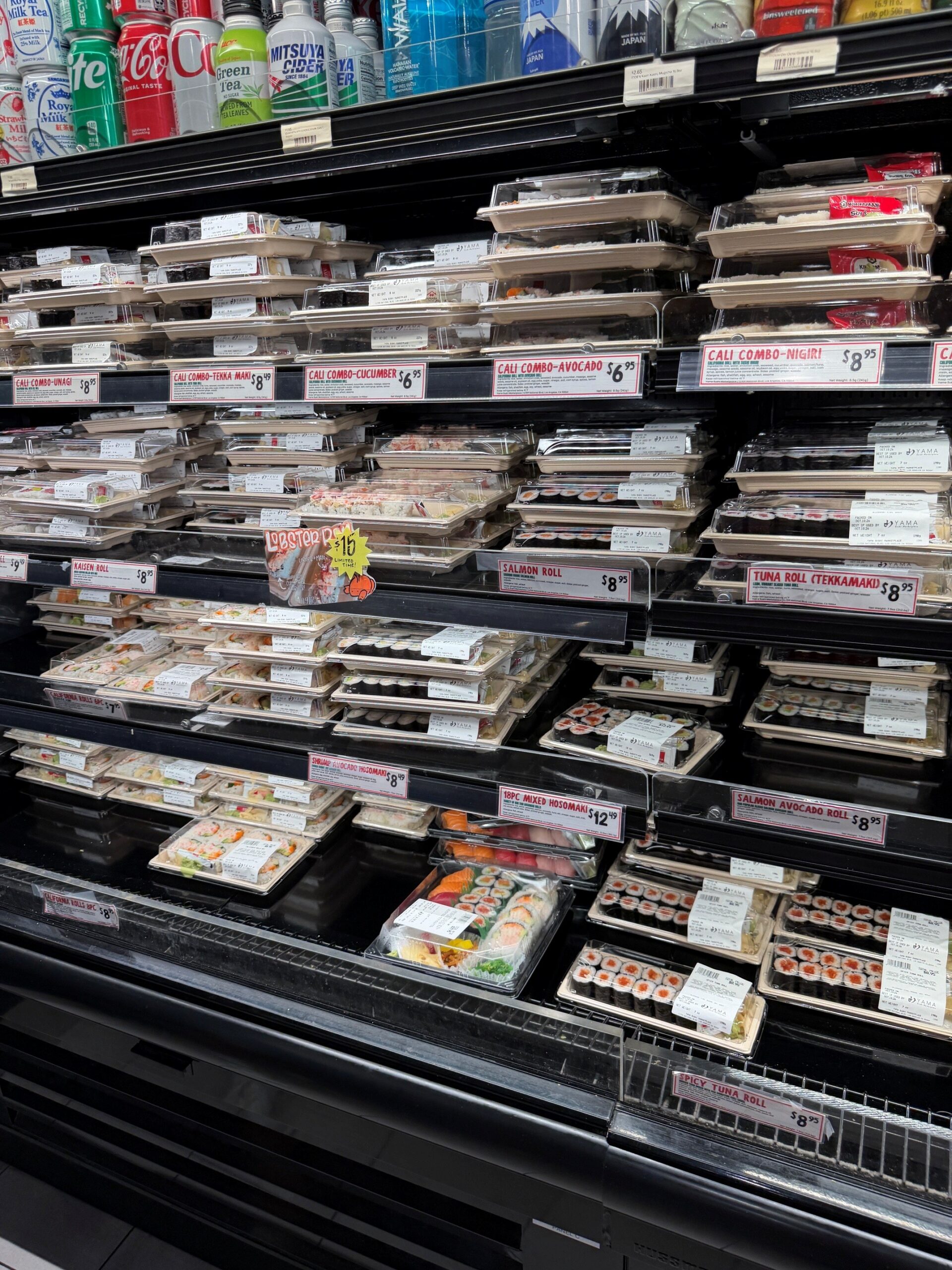
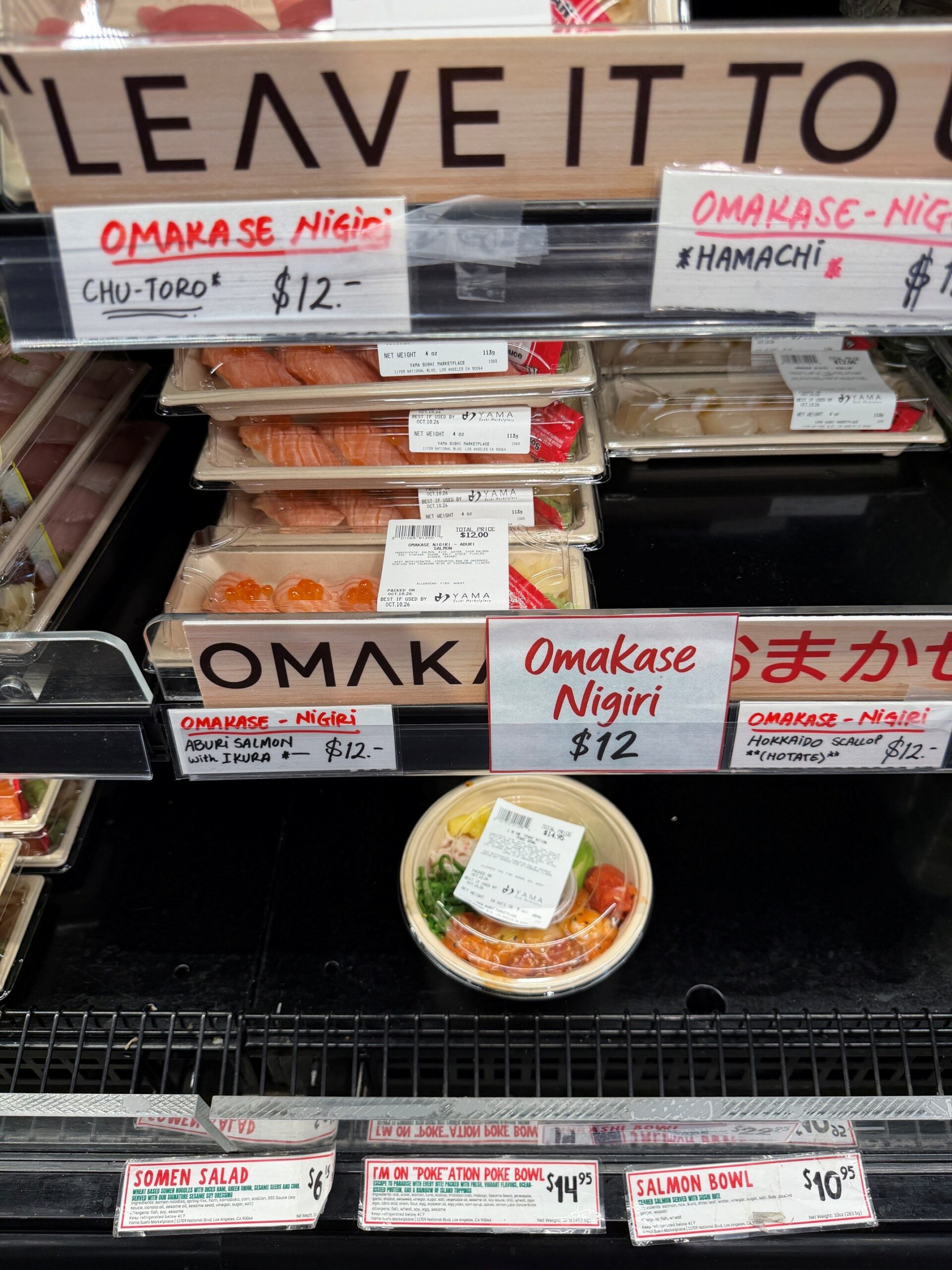
Why is this an Omakase
For those of you new to this world, omakase means leave it to you. As in, leaving it to the sushiya. For those of you new to grocery store shelves, it’s the customer that chooses. Unless Yama considers it “omakase” because they put this together? But wouldn’t that make everything at a grocery store an omakase? Is the Meadow Lane guy’s chicken fingers “omakase chicken”? (Fuck, I just gave him an idea).
But I can look past the signage if the sushi was good. Uhhh.
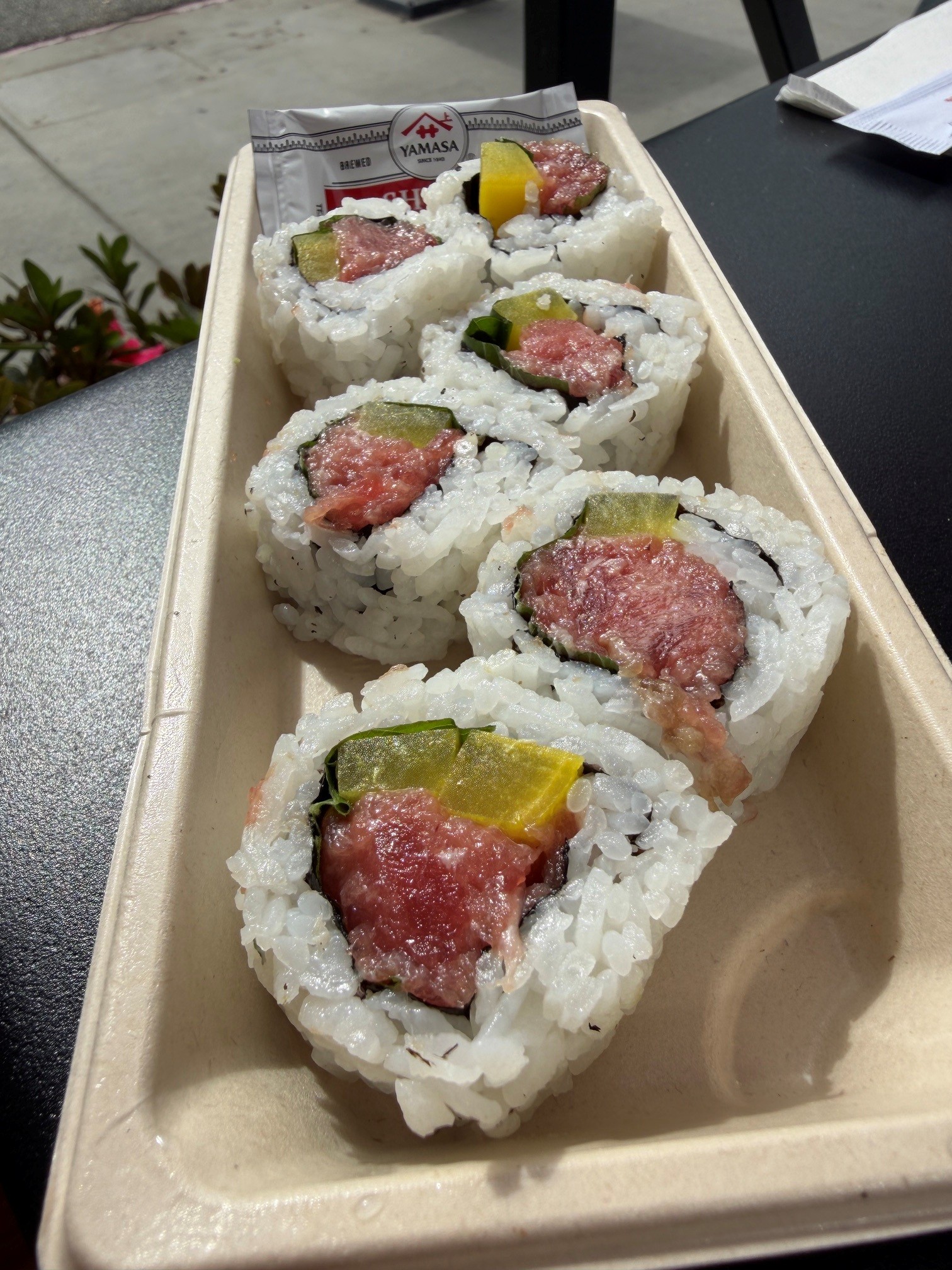
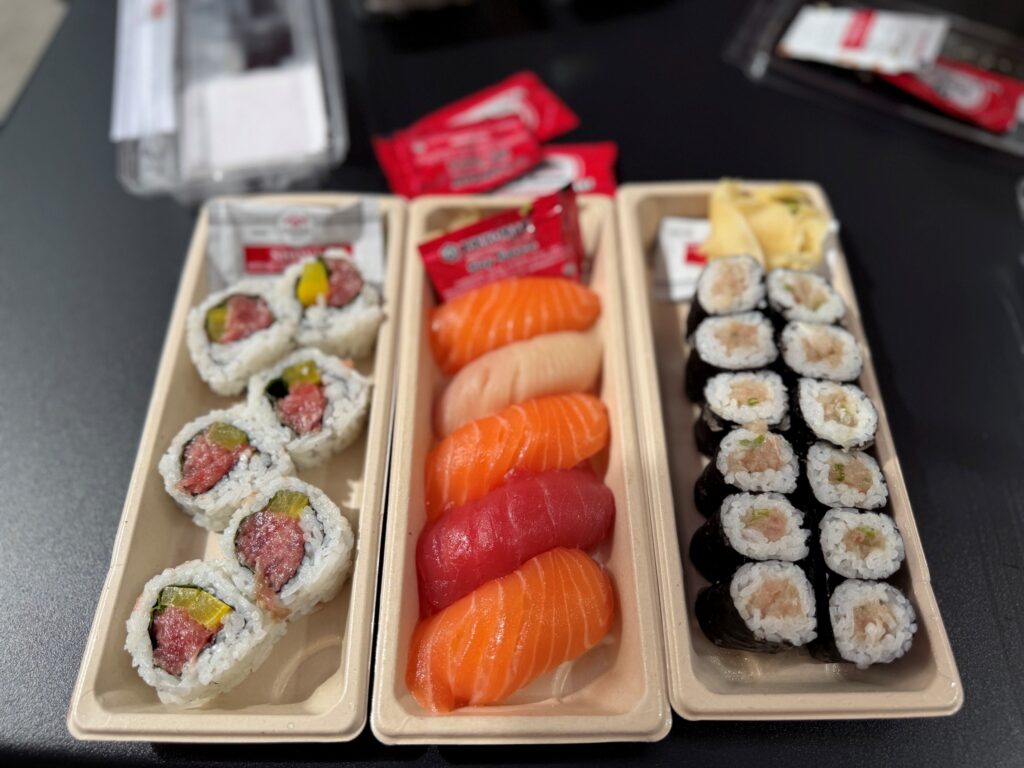
I’ve seen better Torotaku ($9)
Torotaku ($9) – chu toro, takuan, shiso – is supposed to be minced. It was not. The ingredients are supposed to be uniformally distributed. They were not. What was uniform were the massive chunks of pickled radish – takuan – that dominate this maki. And don’t you dare flip it over. This set LA’s food scene back to the days of Jack Vincennes.
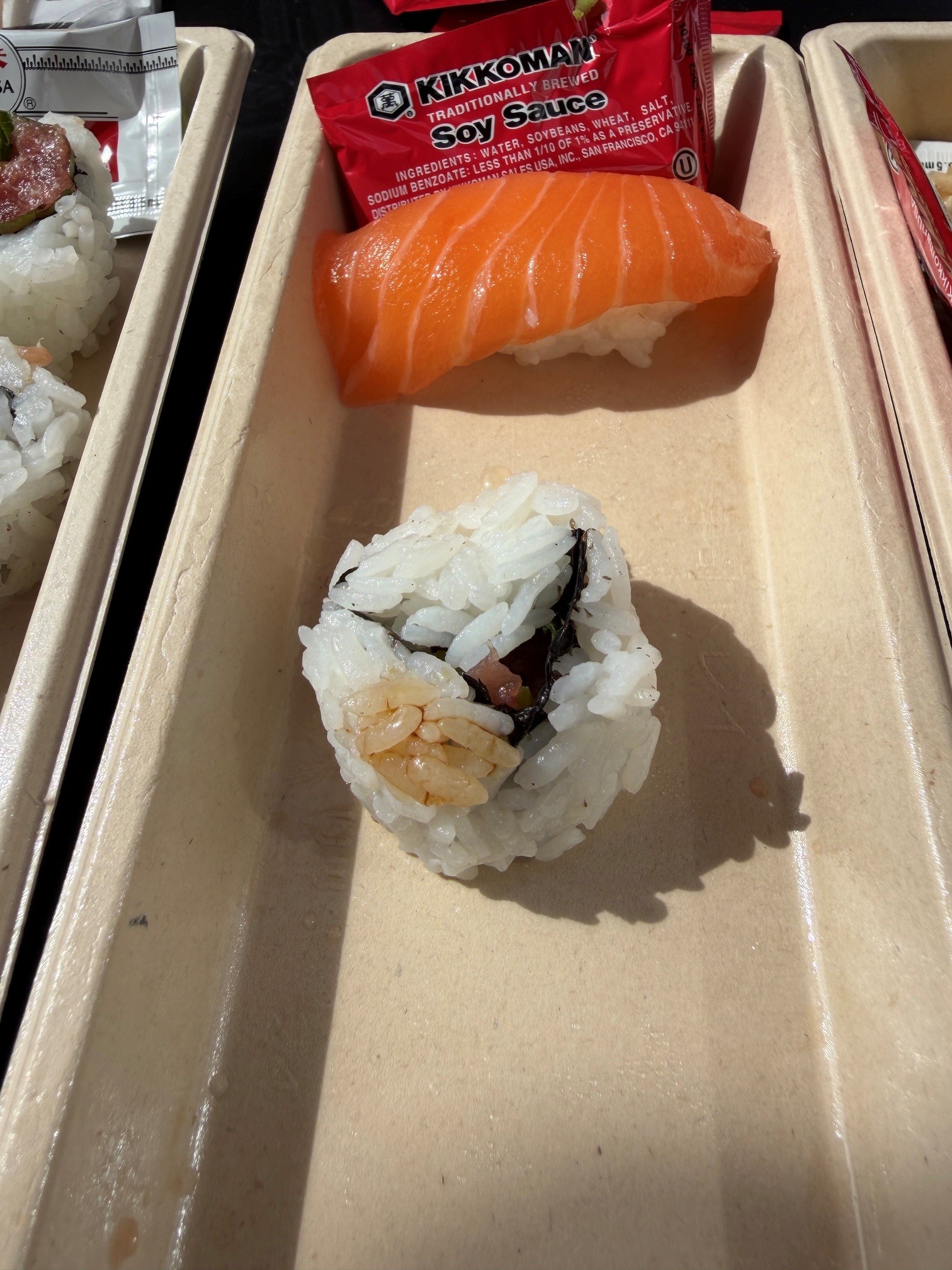
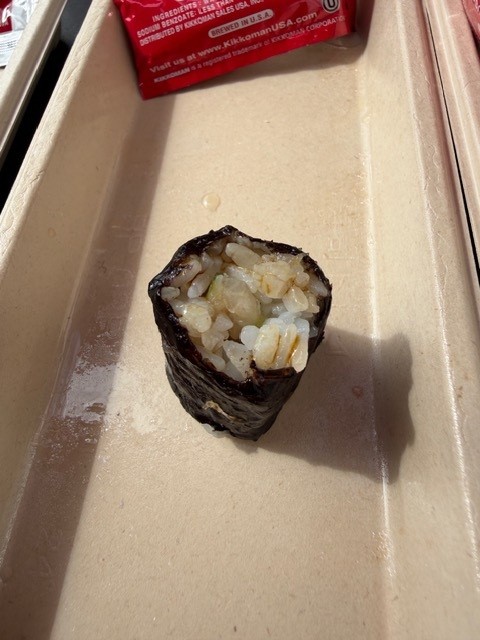
Same goes for the negihama ($9.49) sumaki (seaweed on the outside), which wasn’t as offensive to my sushi sensibilities but still isn’t a roll I’d recommend.
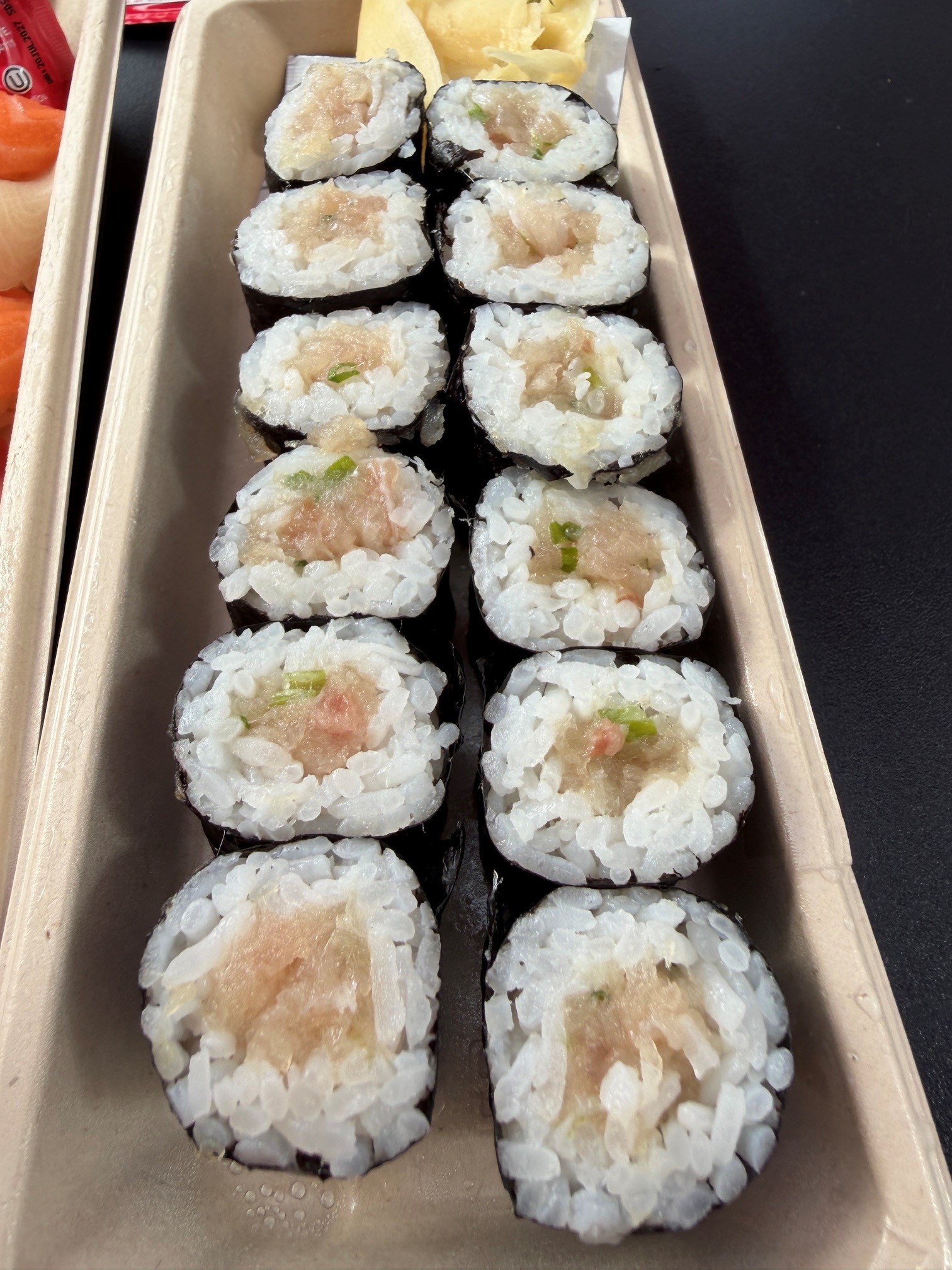
Negihama ($9.49)
I also got the sushi sampler ($10.49), which was well formed, though we should probably talk about the shari. I’d call it tough. If rice was a city, this stuff was Youngstown.
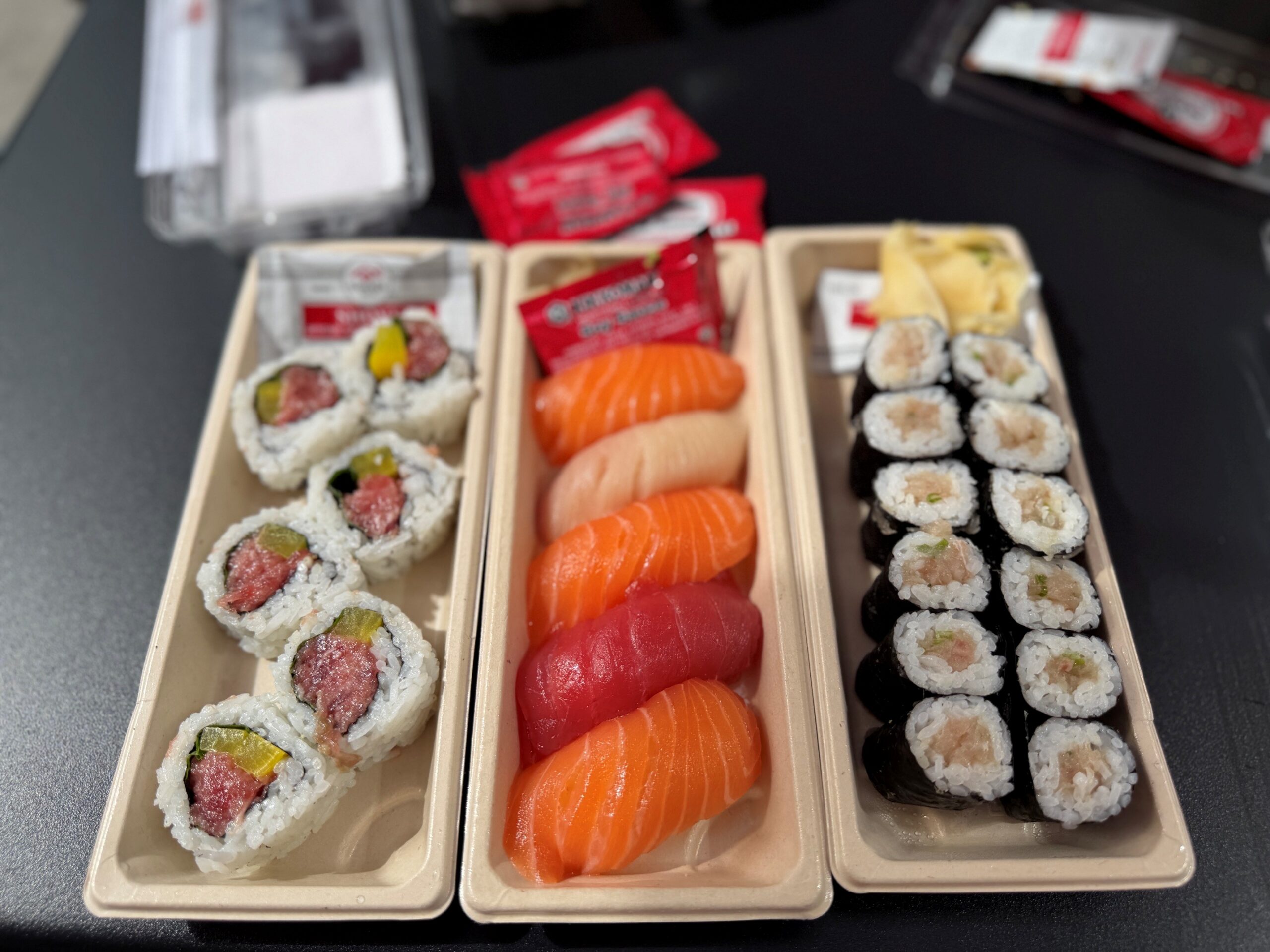
sushi sampler in the middle
“But Mr. Sushi Legend, sir, it’s a market! You’re nuts”.
Listen Janice, Yama opens at 11. I was there at 11:18. And I routinely have discount sushi in New York that’s been sitting there for 12 hours. This was worse. Noticeably worse.
Listen, if I had the Yama PR team sitting next to me right now in my secret lair (the basement of the abandoned sushi den), I’m sure they’d say “it’s just grab and go sushi, your standards are ridiculous”.
Counterpoint: there are tables. People come here for lunch. LUNCH.
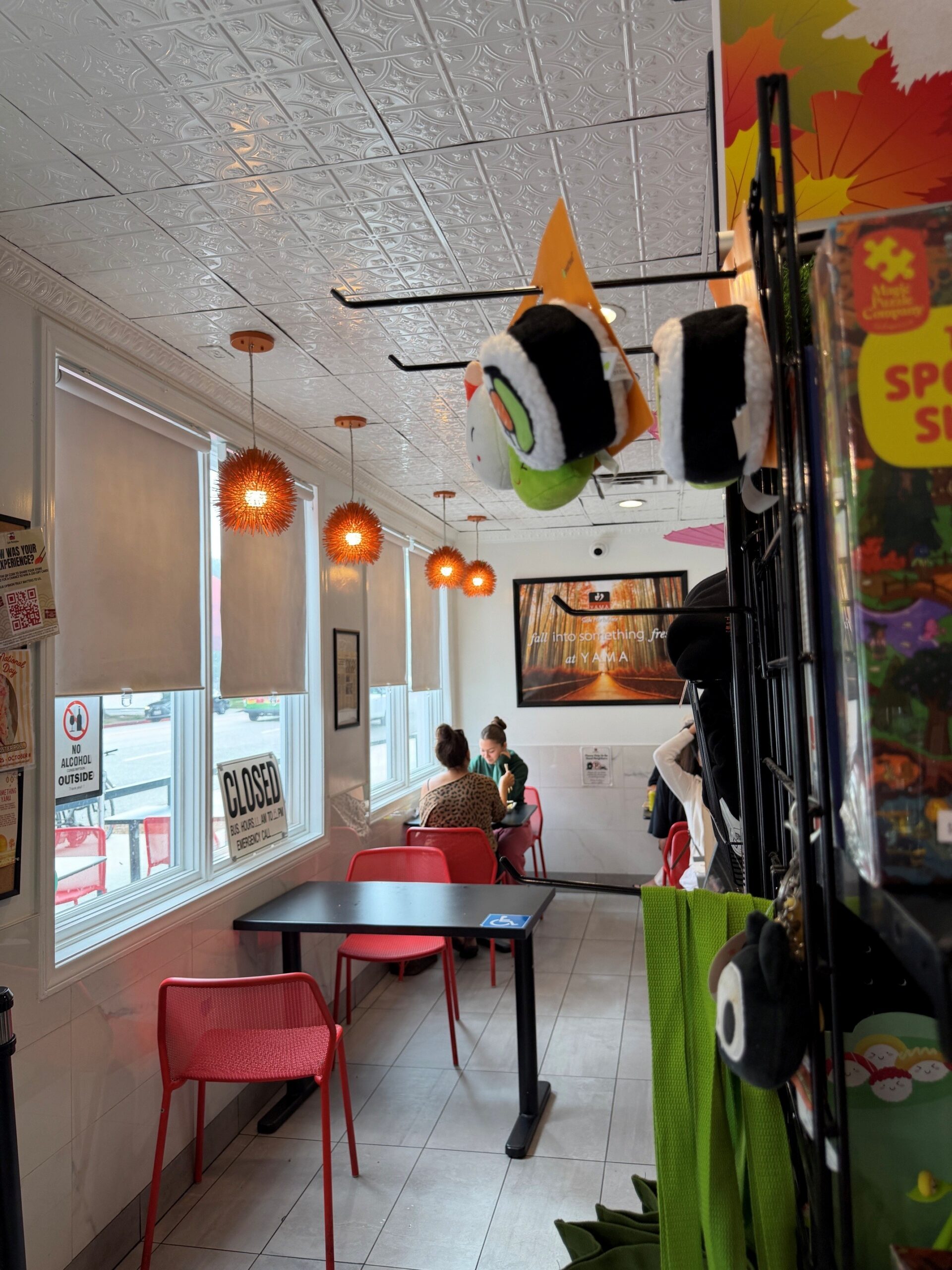
The tables make Yama fair game
And ultimately, this is a sushi blog. I judge the sushi. Nothing more, nothing less (shout out to Ledge’s tagline).
And by that measure, you can do better.
Not recommended.