 THE CRADLE OF LOS ANGELES SUSHI
It’s impossible to tell the Los Angeles sushi story without Asanebo. And yet, for the first 10 years of its life, Asanebo didn’t even serve the stuff.
Don’t spit out your $48 arrowwan* smoothie; that’s the truth, though perhaps surprising given the lore. Asanebo opened in 1991, and is considered one of the founding sushiya of the Ventura Boulevard strip affectionately known as “Sushi Row”. This cluster of long-standing strip mall sushiya epitomize everything I love about the LA sushi scene and city at-large (Unfortunately, there’s still the 834 other things I don’t love, but we’ll save that blog for a rainy day).
I don’t often recommend other websites, especially Los Angeles ones – blame the LA Times, they know what they did – but if you’re interested in the broader story on Sushi Row, the website “Sushi Row” (no shit) is twice as nerdy and four hundred times as informative as mine. Check it out here.
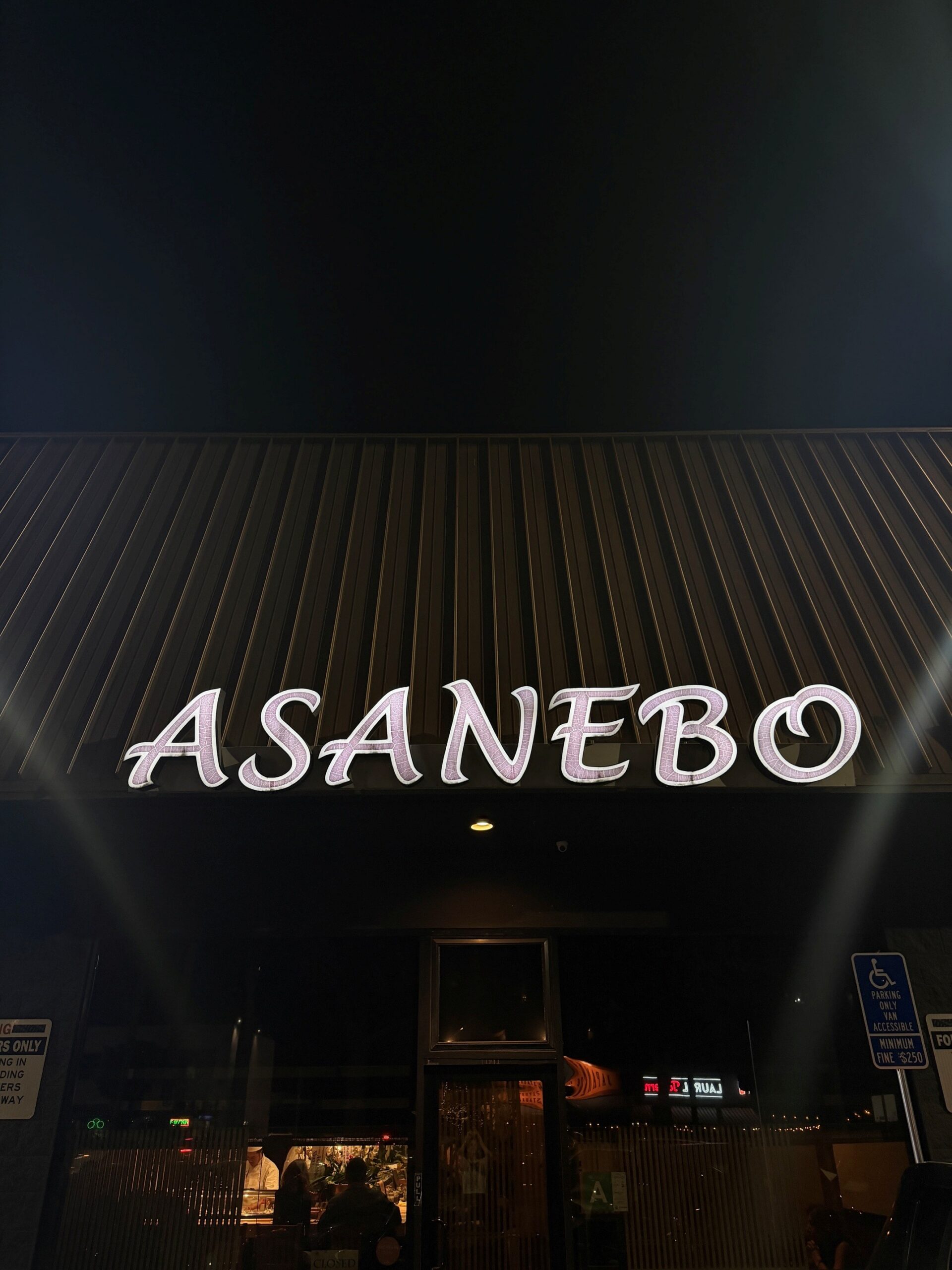
Outside
FEEL THE HISTORY
Asanebo was opened by two ex-Matsuhisa chefs, brothers Tetsuya and Shunji Nakao (I reviewed it here). But as the late great Jonathan Gold explained, thanks to a peculiar non-compete in their plaza, they couldn’t even serve sushi until 2001.
These days, Shunji runs his eponymous sushiya in Santa Monica. Tetsuya remains, though rarely in the saddle anymore. “Special occasions only”, I’m told.
It doesn’t matter. In his article, Gold wrote that their sushi is “besides the point”. Stepping foot in Asanebo, you feel the history. It bleeds – figuratively, not literally, calm down health department – into the entire operation. I chose Asanebo as part of my 36 hour LA sushi run. It’s a feeling some ‘food reviewers’ could learn to embrace; when you eat at a place like Asanebo, you’re not just reviewing food. You’re reviewing everything that comes with it; the atmosphere, the walls, the feeling.
It’s why you’ll never see me forensically calculate a review, ironic given sushi batman’s day job.
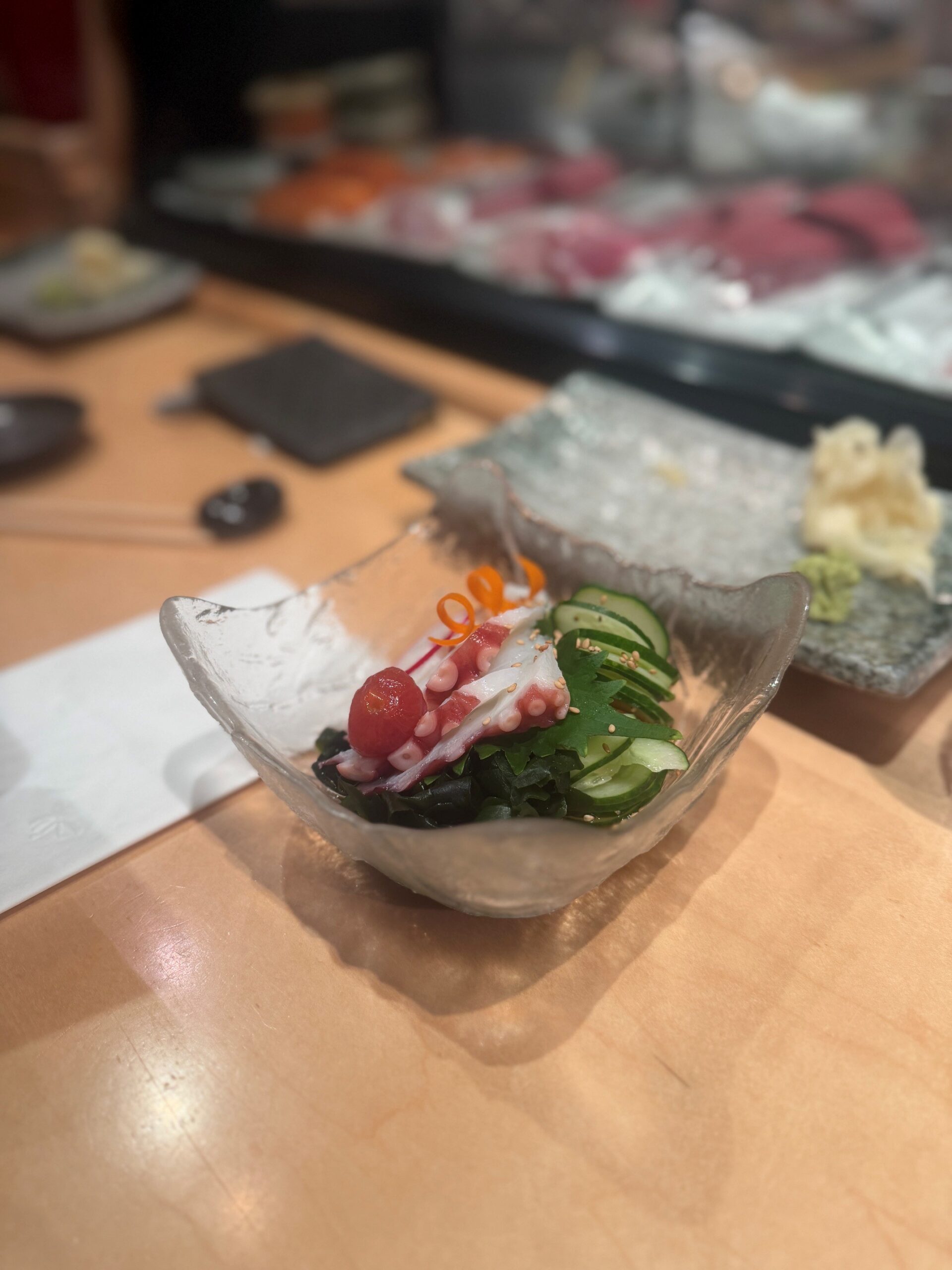
Sunomono w/ Octopus ($14)
THE VIBE IS BEST DESCRIBED AS “LAKERS WHEN THEY’RE GOOD”
I’ve never been to a Lakers game. Not cool enough. But from television, the mood is clear: a lit stage, with a darkened customer area. Same thing here. And sure, like Lakers games, you get the classic LA schmoozers walking around and shaking hands. But most people are there for the “right reasons” (TM, BACHELOR PAD).
THE NOBU IS STRONG
It may have been 35 years, but the Matsuhisa origins permeate the menu. Sashimi is served in a pinwheel; this was common since the dawn of sushi, but these days, it is – at least to me – synoymous with what Nobu calls “new-style”. No burning oils here, but not naked either. The yuzu on the hotategai was unfortunately overpowering.
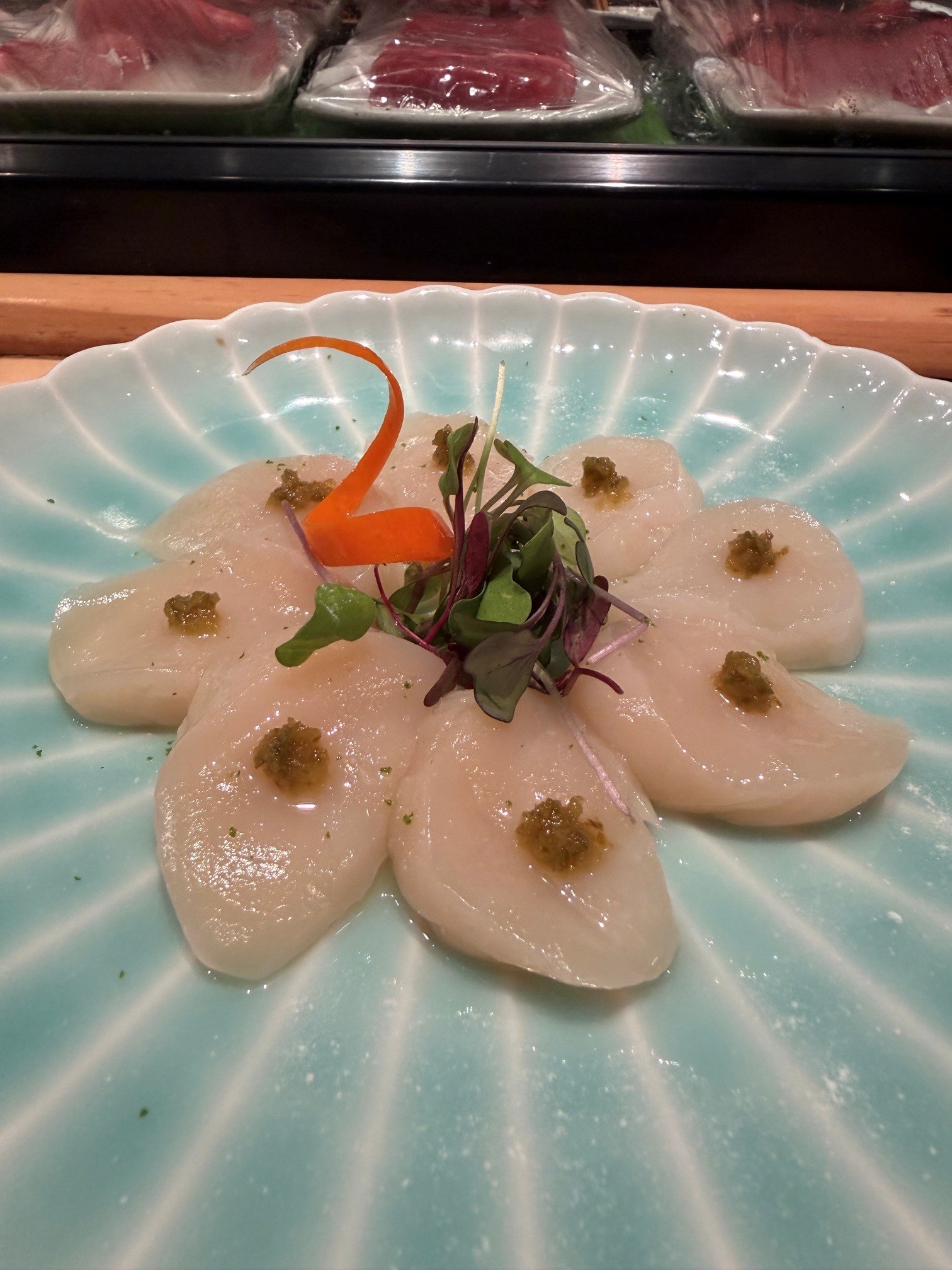
Scallop with Yuzu ($36)
WE WENT OKONOMI
And they still allowed us at the counter; it’s crazy to say that’s a surprise, but for a new york-based sushi addict, it is. The couples next to us ordered the omakase, and seemed happy enough. Fair warning, it’s not sushi only.
THE OTHER SIDE OF THAT COIN
They wanted to turn these seats quicker than The servers must have asked us what we wanted 4,000 times in 12 minutes. Other than the baked crab hand roll my addicted sister orders every time, we needed time to peruse.
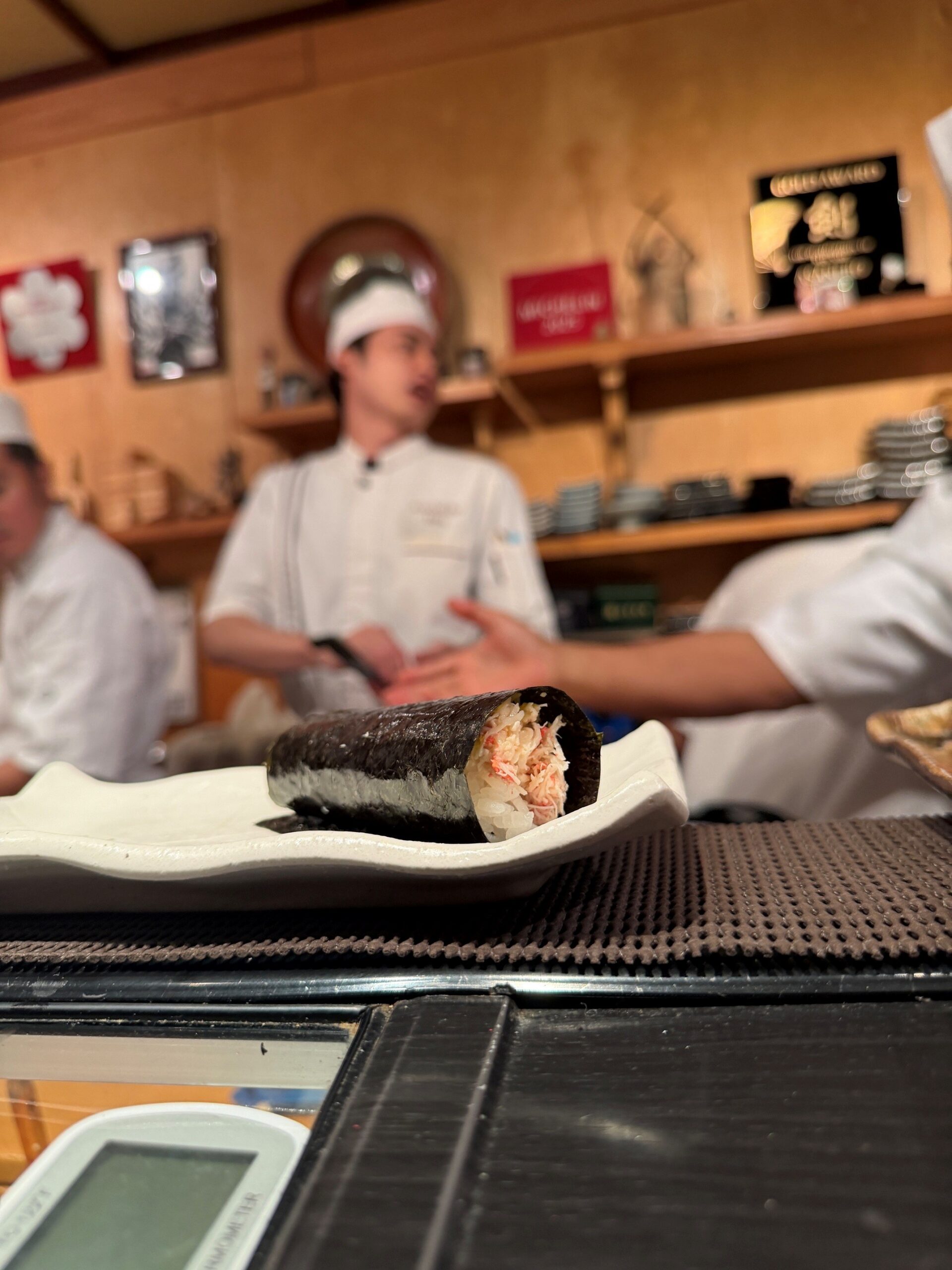
Baked crab hand roll ($18)
THEIR INGREDIENTS ARE A DIFFERENTIATOR
The near-40 years of supply-chain experience and Tetsuya-san’s focus on sourcing leads to its natural conclusion; great ingredients.
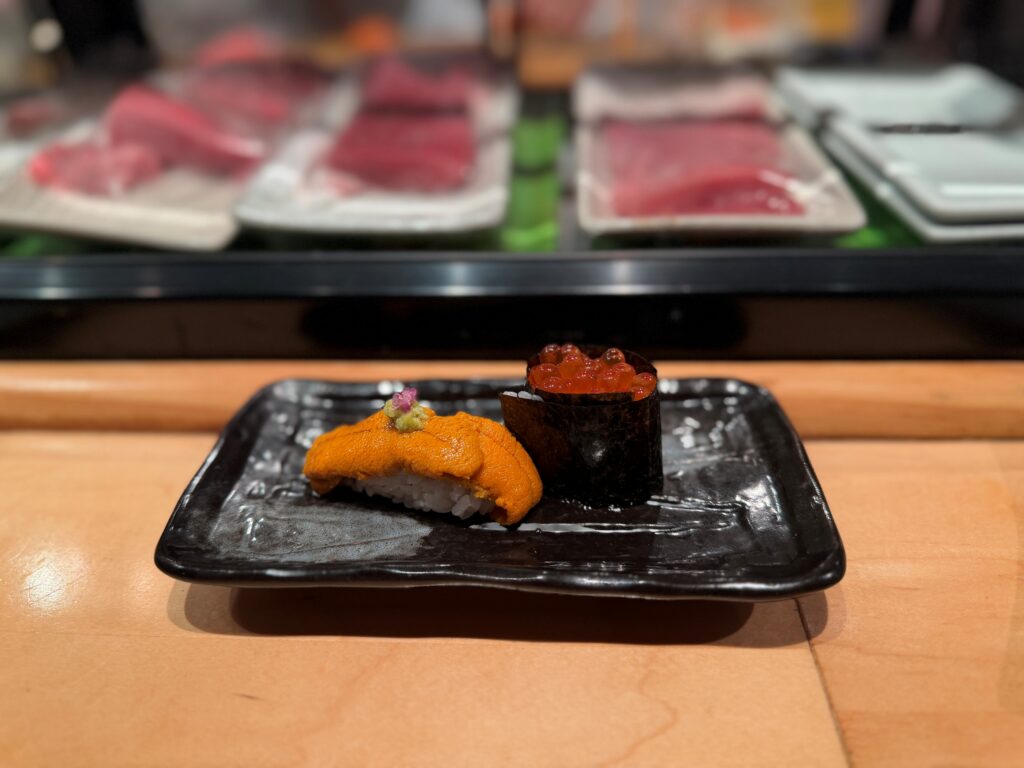
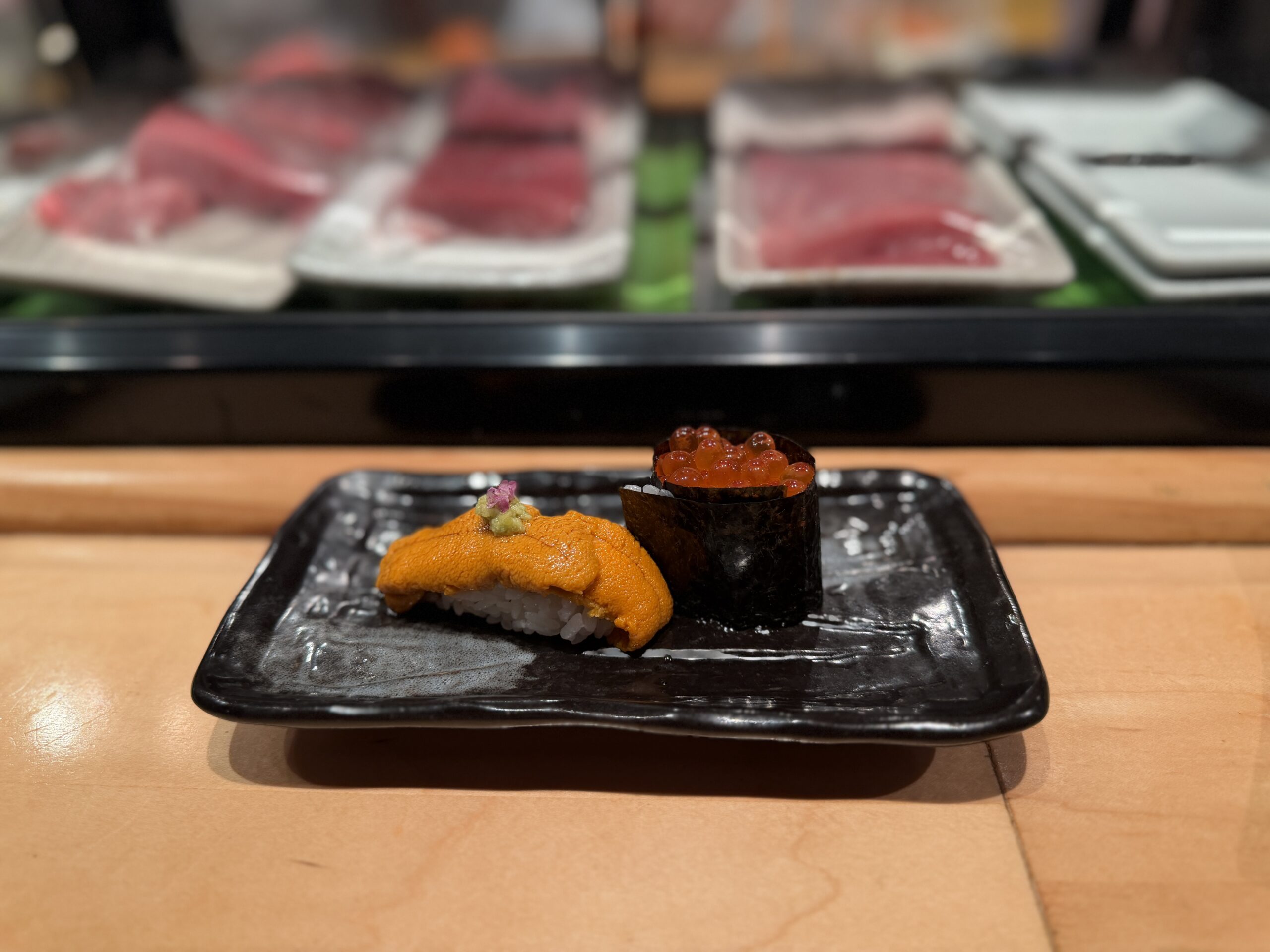
Take their Murasaki Uni (purple sea urchin). When fresh uni is large grained like this, it’s better served as nigiri rather than gunkanmaki (battleship style sushi).
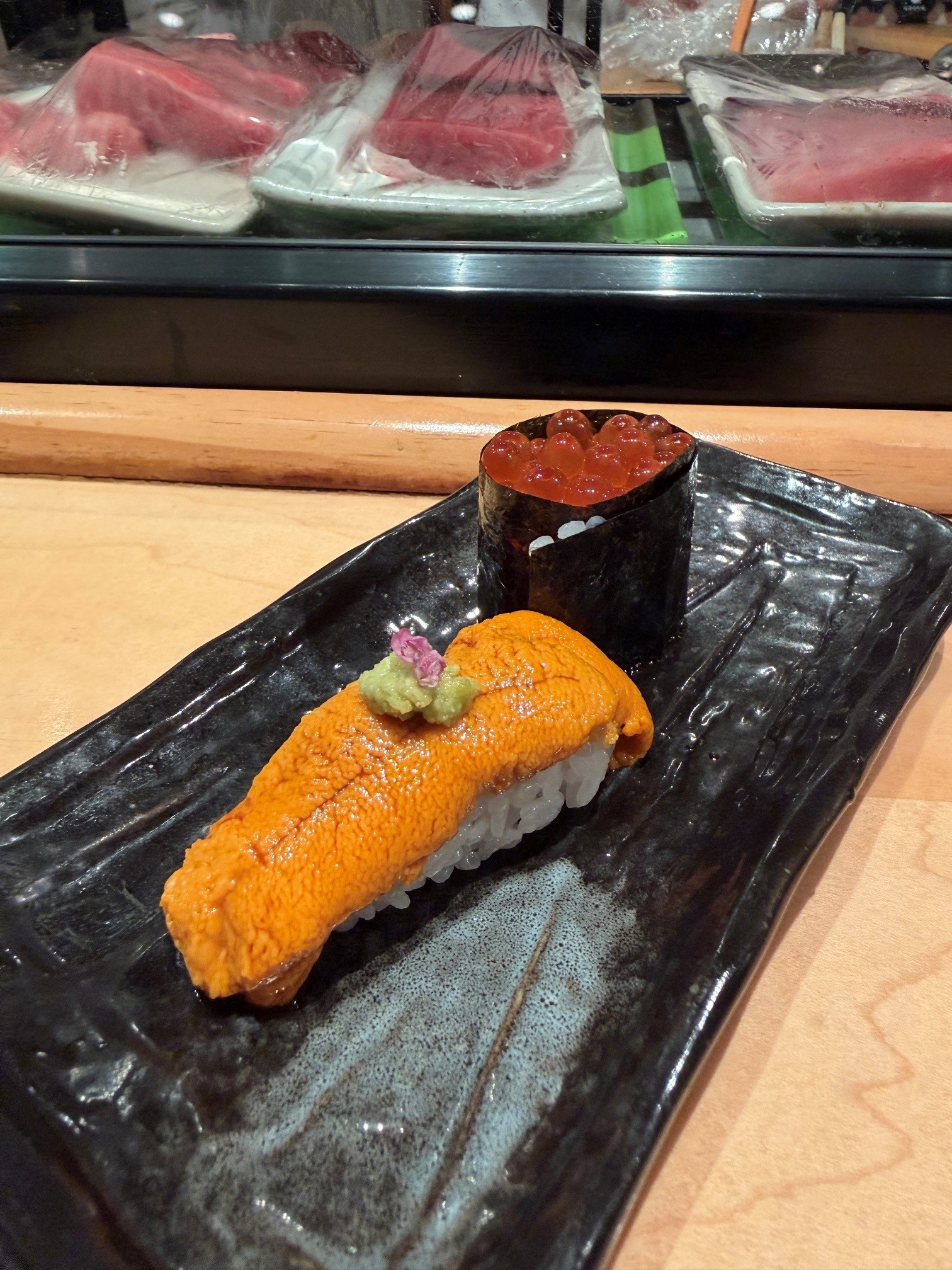
Murasaki Uni ($20) and Ikura ($7)
Trying it this way will blow your mind, like the first time I heard Tinlicker and Jamie Irrepressible’s I Am Free. Oh, music can do that?
And the slightly torched salmon was from the Faroe Islands, supposedly marinated in shio koji (koji, rice, water). This was reservedly fatty* Atlantic salmon at its very best.
Editor’s note: Reservedly fatty was my nickname freshman year.
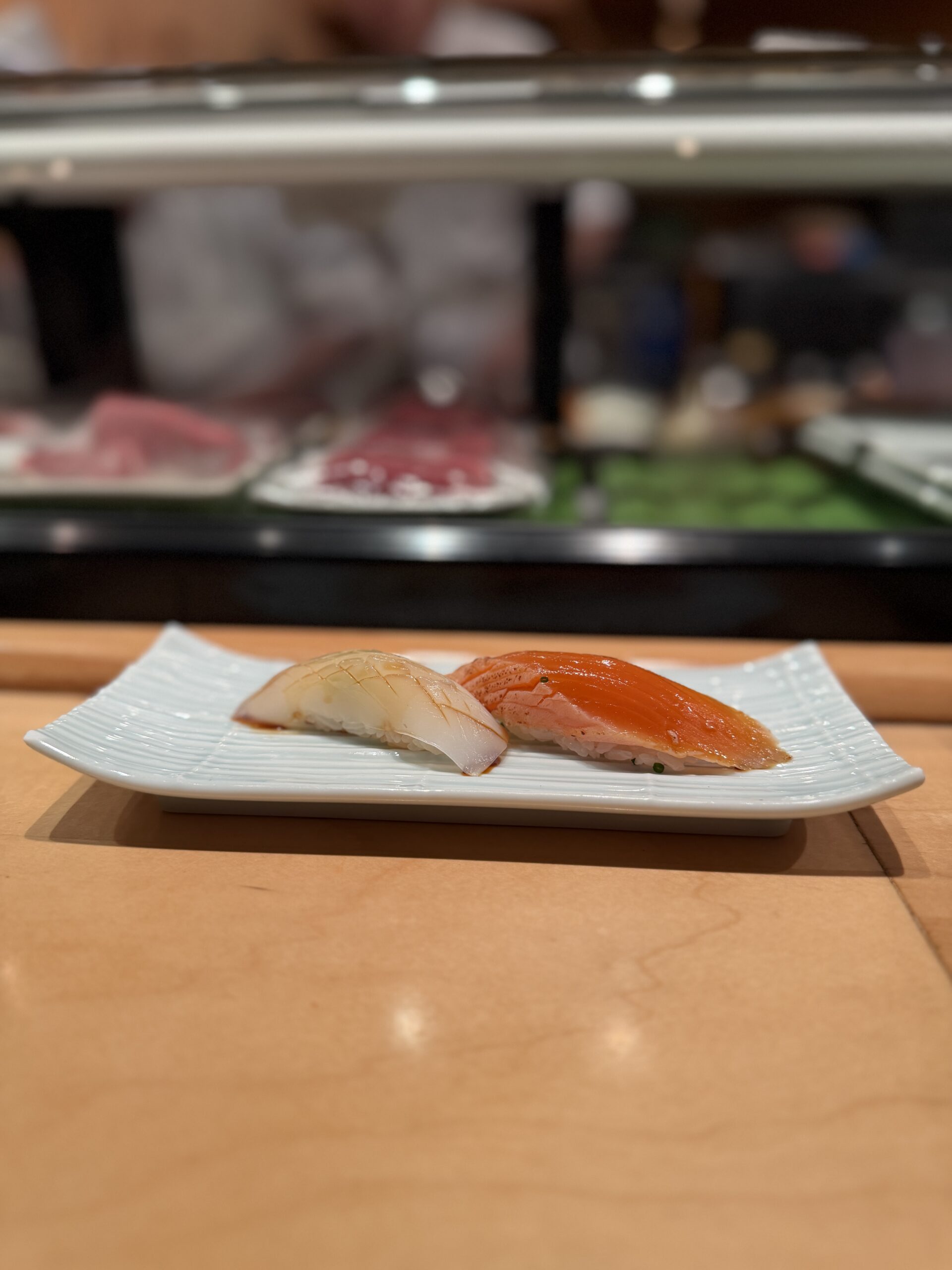
Aori Ika ($10) and Koji Salmon ($8)
It also continued my unprecedented run of success with anything Faroese. To the Faroe Islands tourism board, I love everything I read and see about your country self-governing archipelago. I want to pet a puffin. Call me.
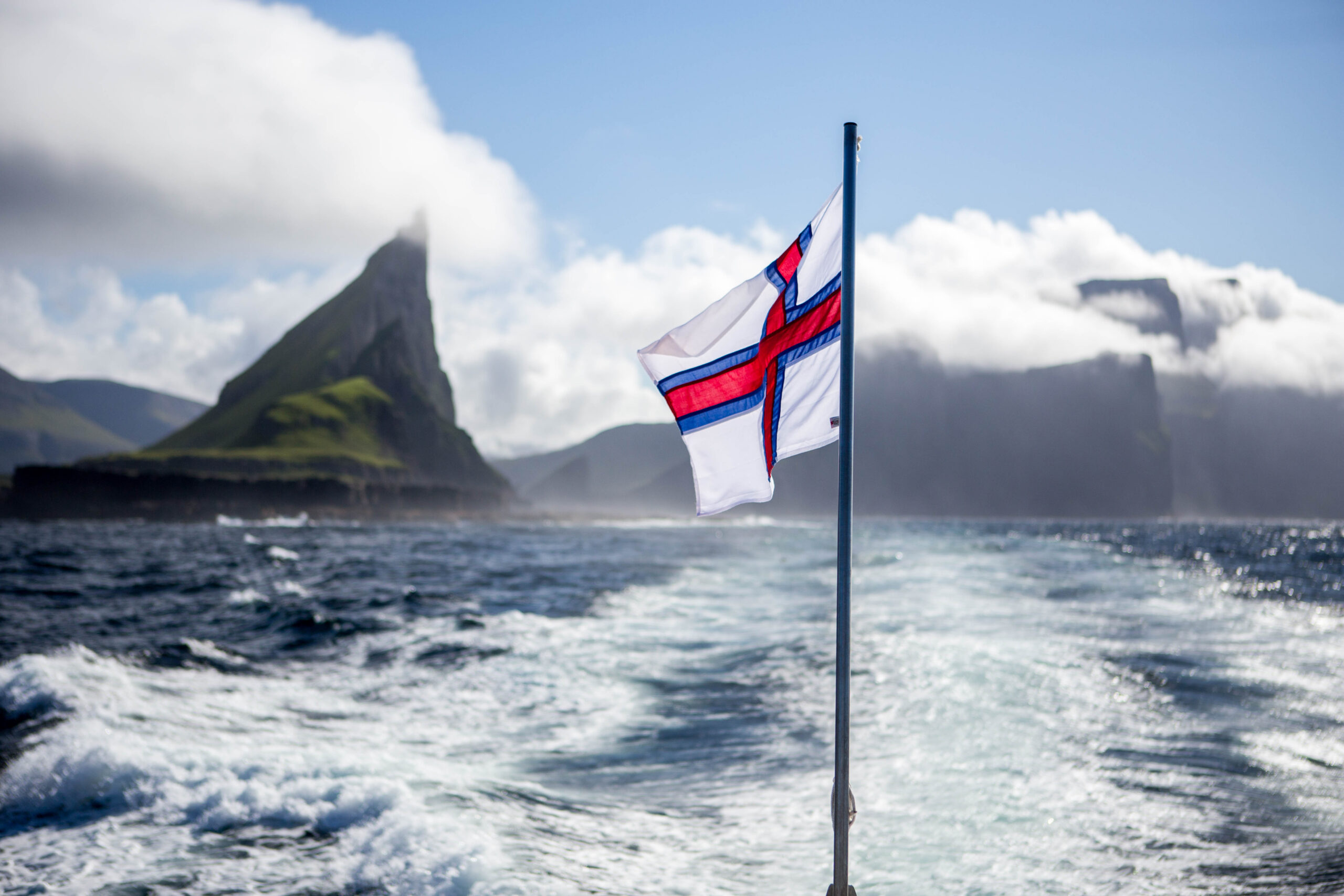
This place looks dope
THAT KAMA TORO…
The blowtorch also made an appearance with the Kama Toro, to far less successful results. Anytime you can transform a piece of succulent, marbled honmaguro into a hockey puck of well-done steak, you have to do it.
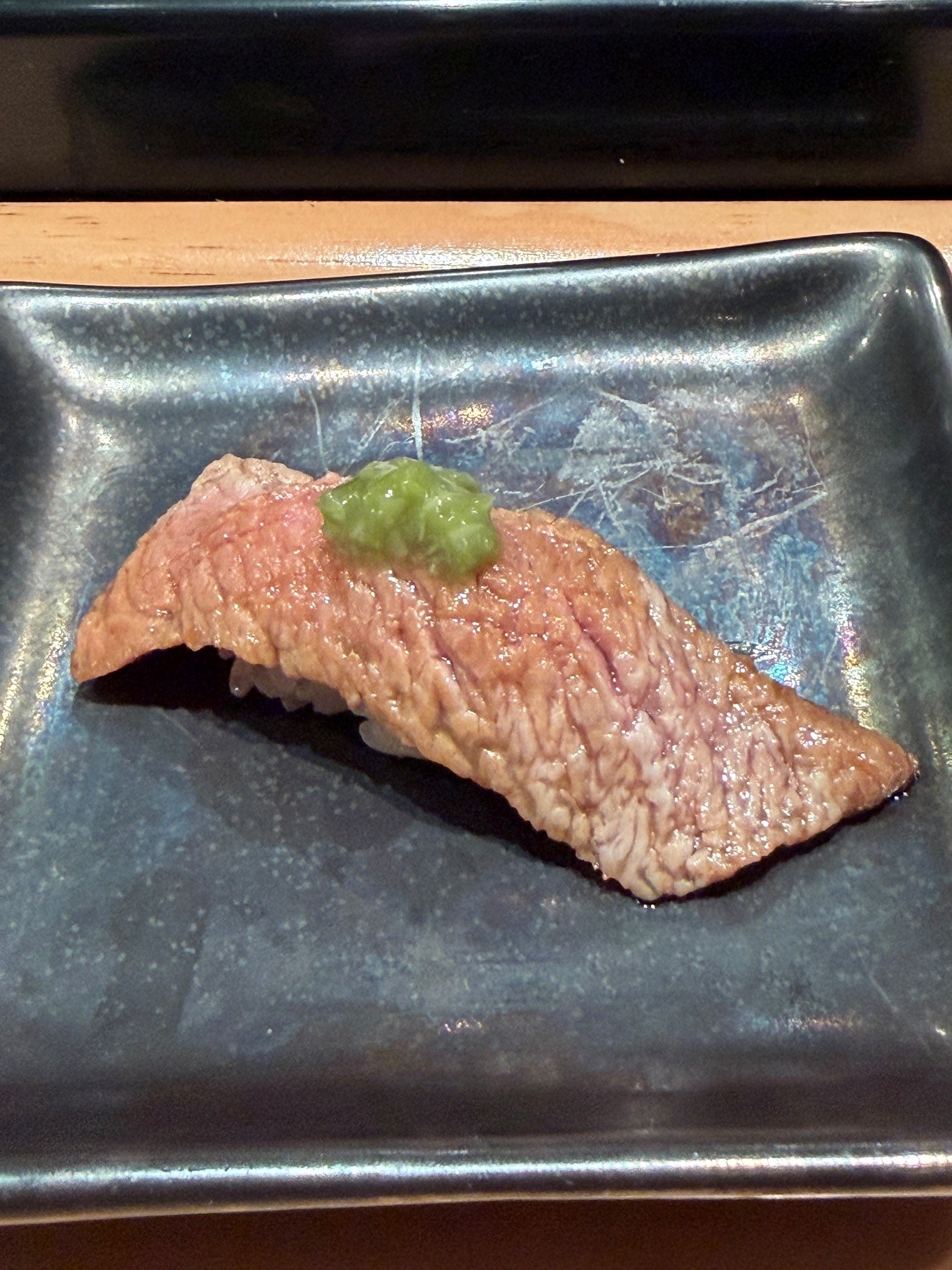
Kama Toro Aburi for some reason ($20)
A TIP FOR WEEKENDERS: BOOK AHEAD
We booked a week in advance with no issue. But night of, Asanebo was rammed (probably why they wanted us to order quickly. If so, fair). I’m also 99% sure they don’t have a website. There is this thing, but it looks like a scammy company’s attempt to divert hotel bookings (I’m onto you, Marriott.GuestReservations.com).
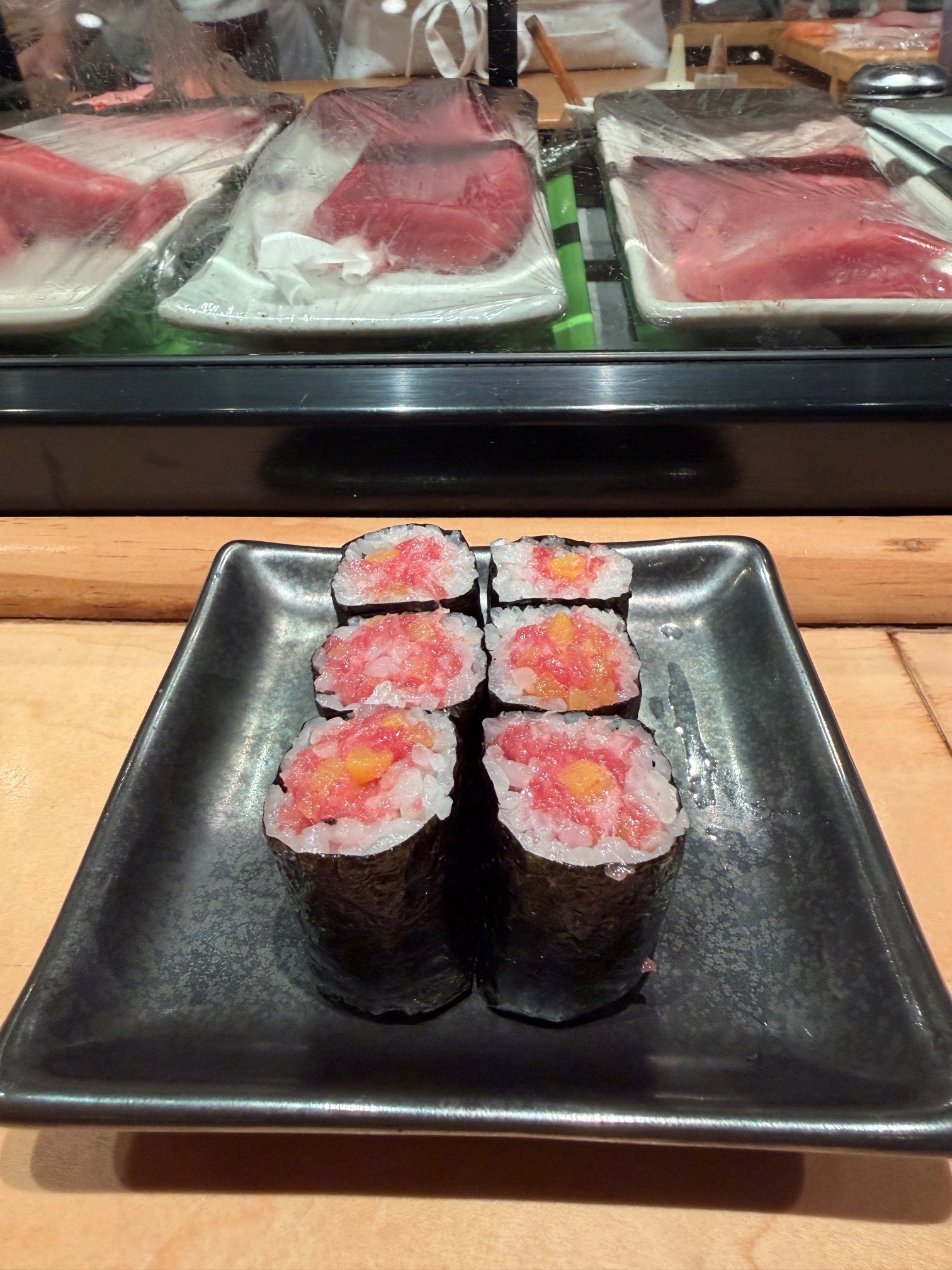
Toro Taku ($22)
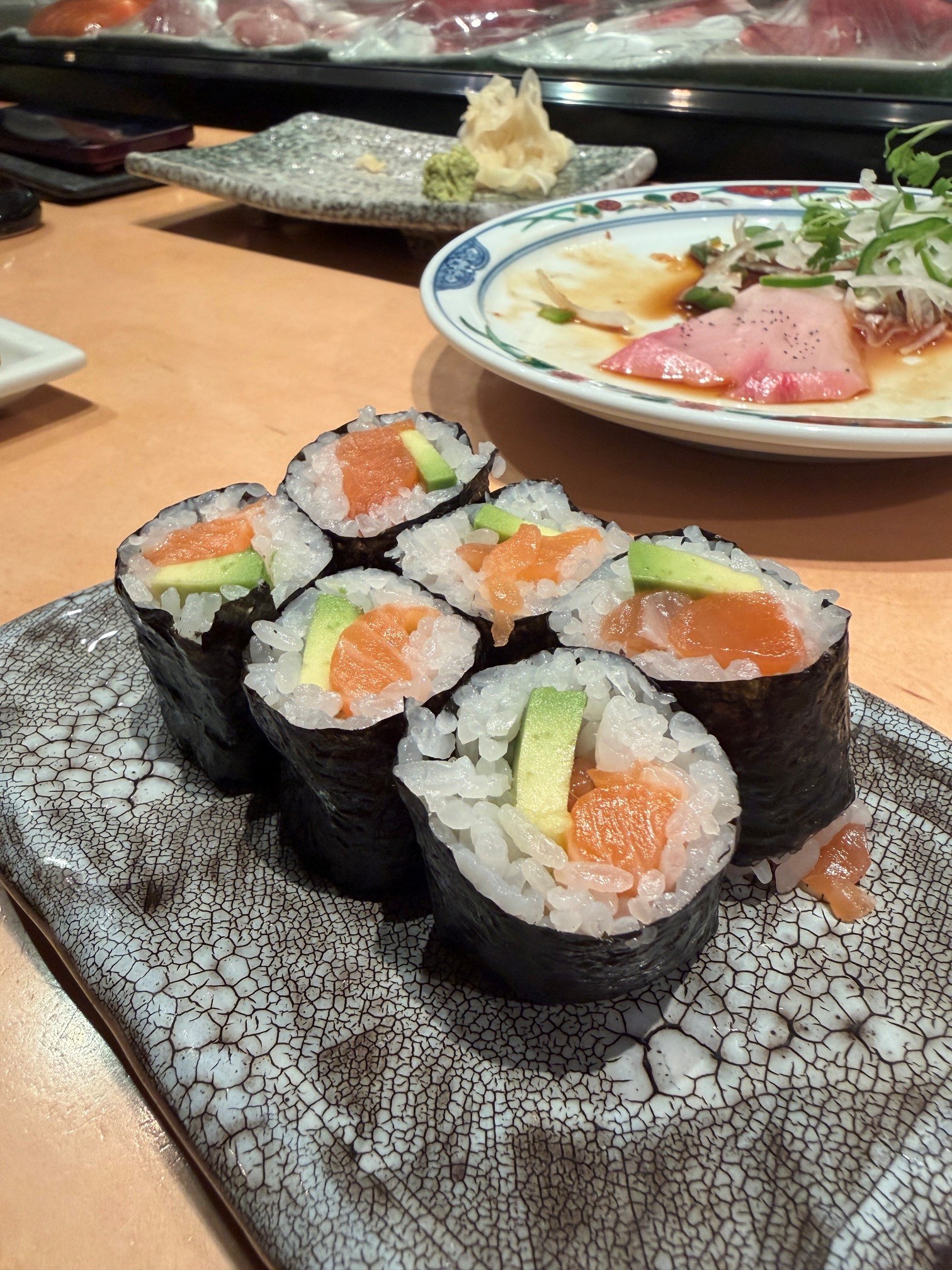
Salmon Avocado Maki ($16)
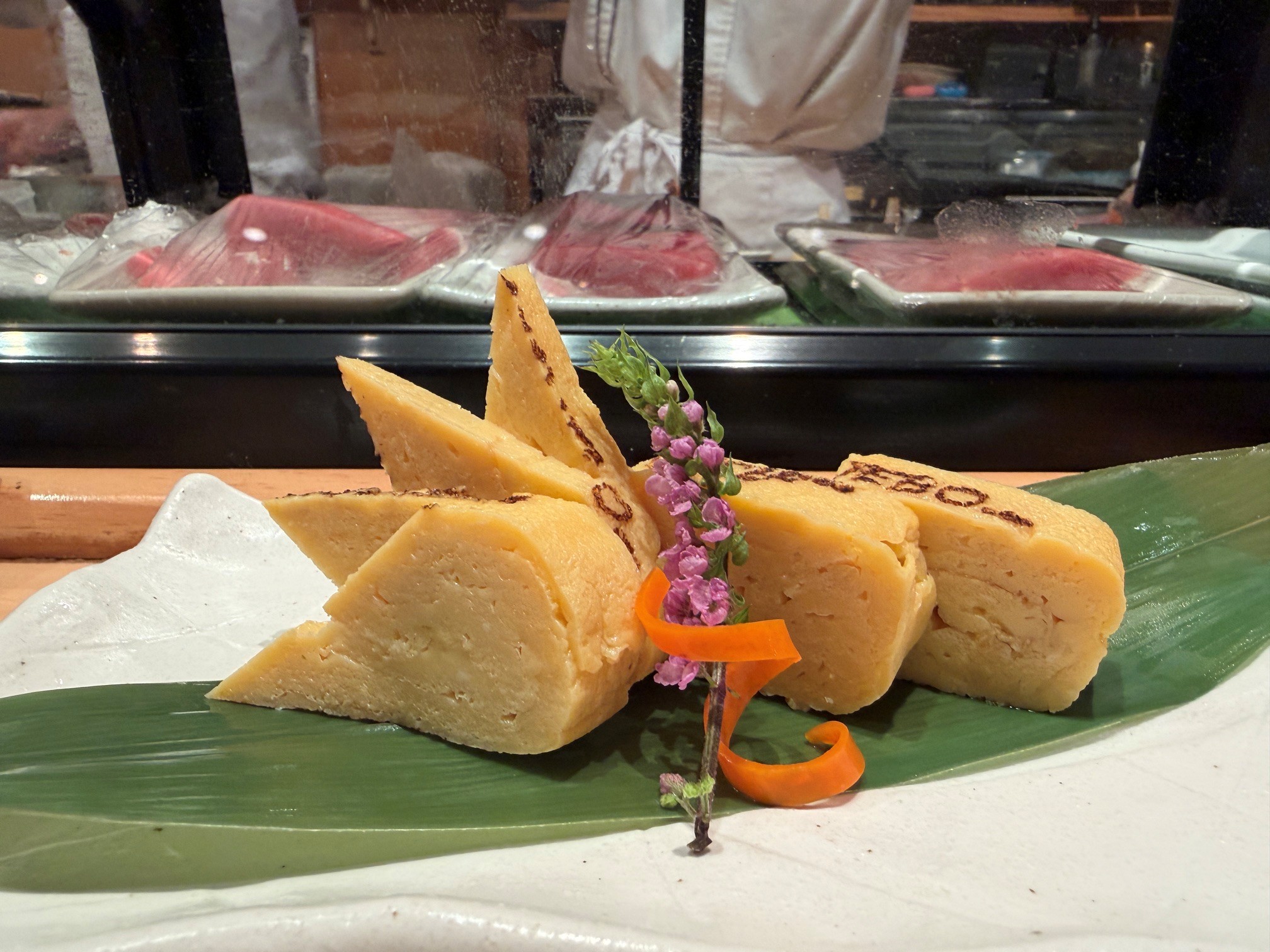
Tamago ($6 for two, $12 for the pic)
THE VERDICT
Asanebo is a curious one. On one hand, their servers were pushy, the sashimi was a mess and they ruined the kama toro, an unruinable dish. On the other hand, the maki was good, the dude behind the counter (sorry I didn’t get your name, legend) was engaging, the uni was divine and anything faroe islands is an immediate positive.
But ultimately, the food is, within reason, besides the point. Dining in the cradle of Los Angeles sushi is about more than the vinegared rice, more than the heavy yuzu, more than even the blowtorch, that scourge on society.
Recommended.