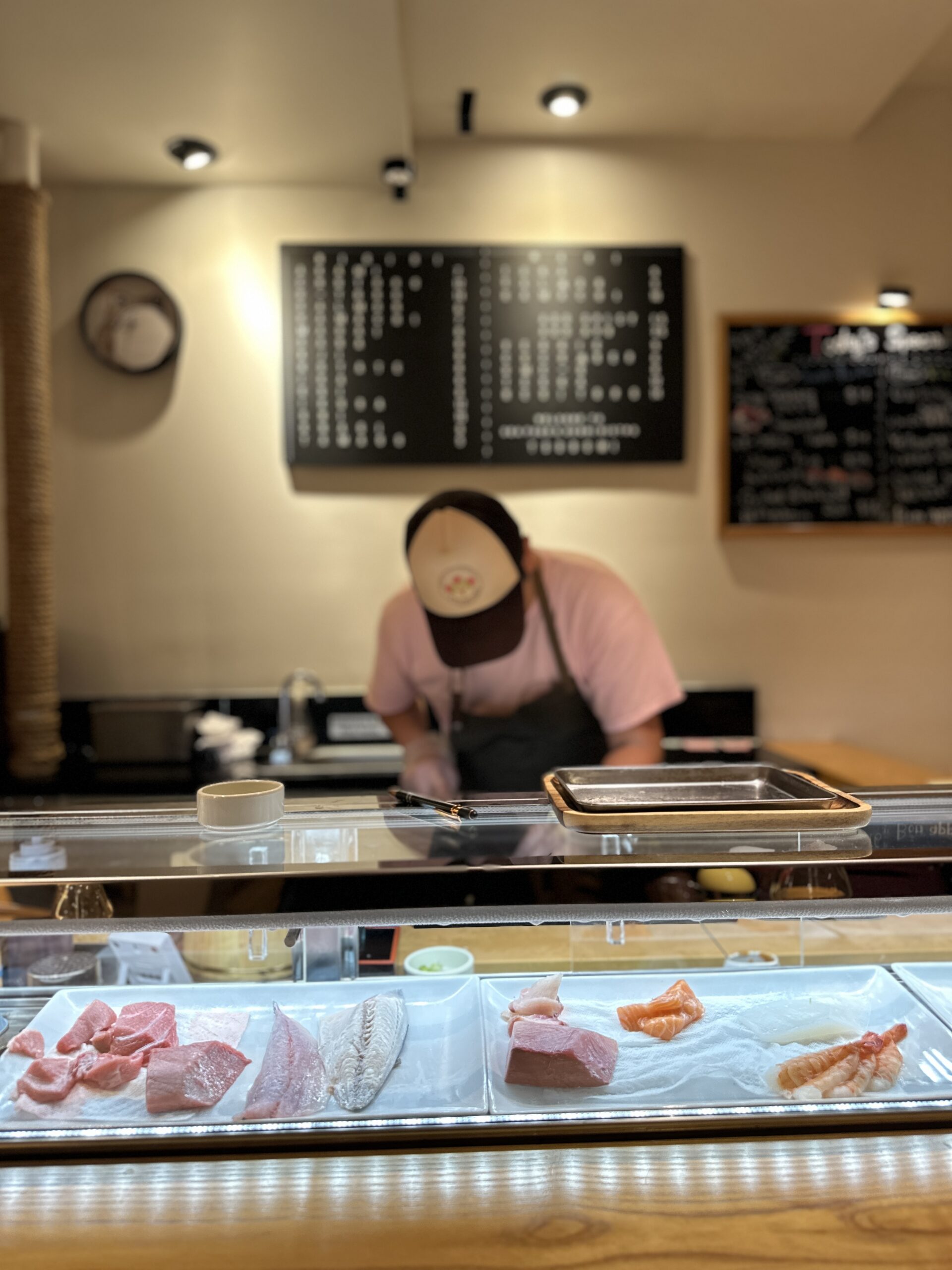
 I’m on a mission for the rest of 2026
Don’t get too excited. I’m not Hercules, Danny Devito isn’t my sidekick, and this blog is more than just one song (an incredible song, to be fair).
(By the way, Danny D, if you’re reading this: whoever chose your movies in ’96 and’ 97 deserves half your wealth. Matilda, Mars Attacks, Space Jam, Hercules, LA Confidential? You absolute dog).
No, legends, my mission is to save the neighborhood sushiya in New York. We’re in dire straits.
Here’s an idea for any talented would-be Itamae
Find a neighborhood with 17 different “Omakase by _” and open a sushiya where the customer chooses. Radical, I know. You could print what’s available on a piece of paper. Too much for one sheet? Print multiple pieces of paper and staple them together! We could give this document a name, something rooted in French and Latin. Think about it.
So sushiya like Tsubomi deserve praise
It’s not just that Tsubomi is good. It’s that it’s mere creation bucks the trend. Years ago, it was Zawa Japanese, a do-everything sushiya that I visited, loved and reviewed. It closed to become Sushi Yoshizawa, which was, you guessed it, an omakase-only sushiya.
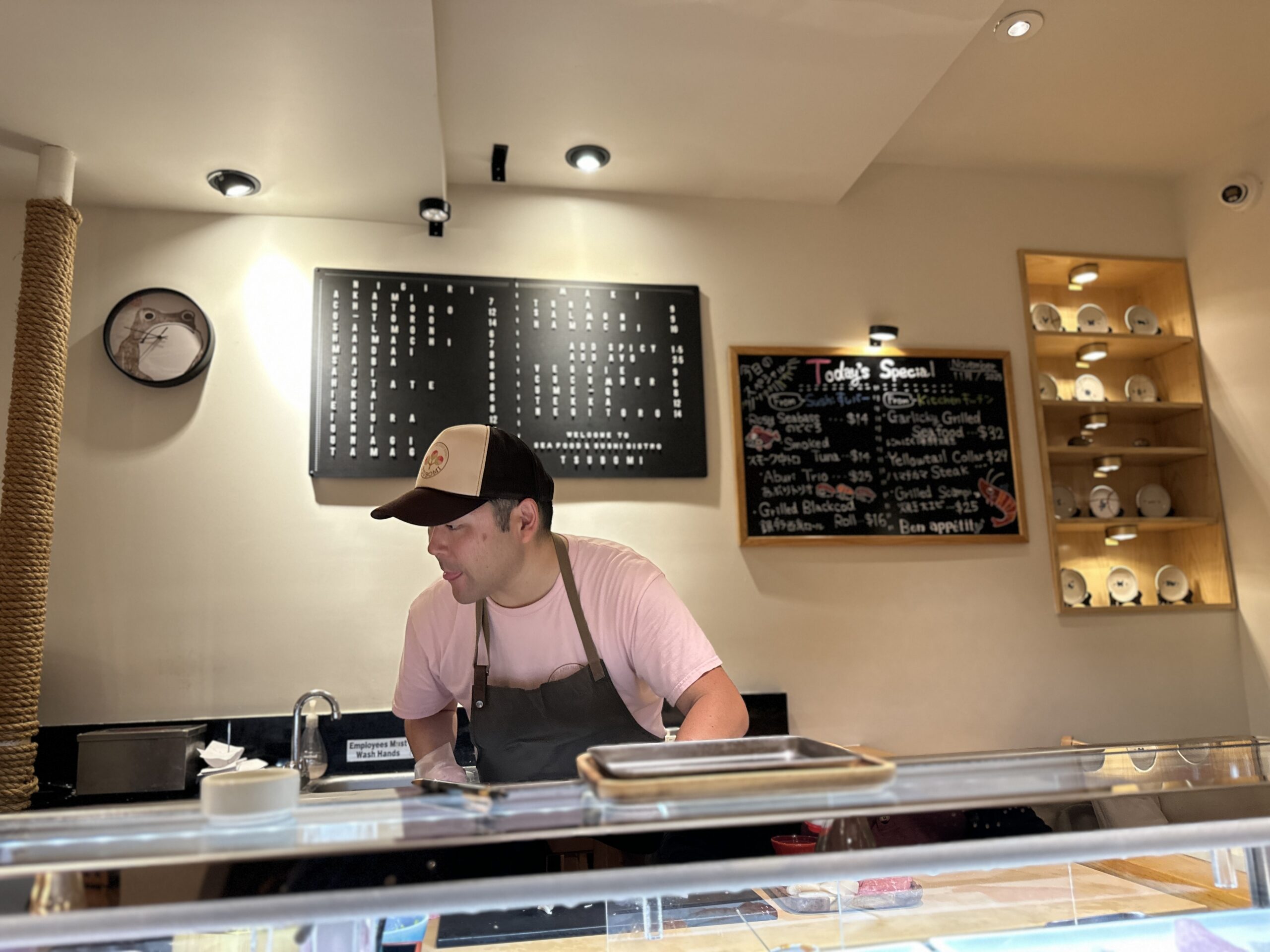
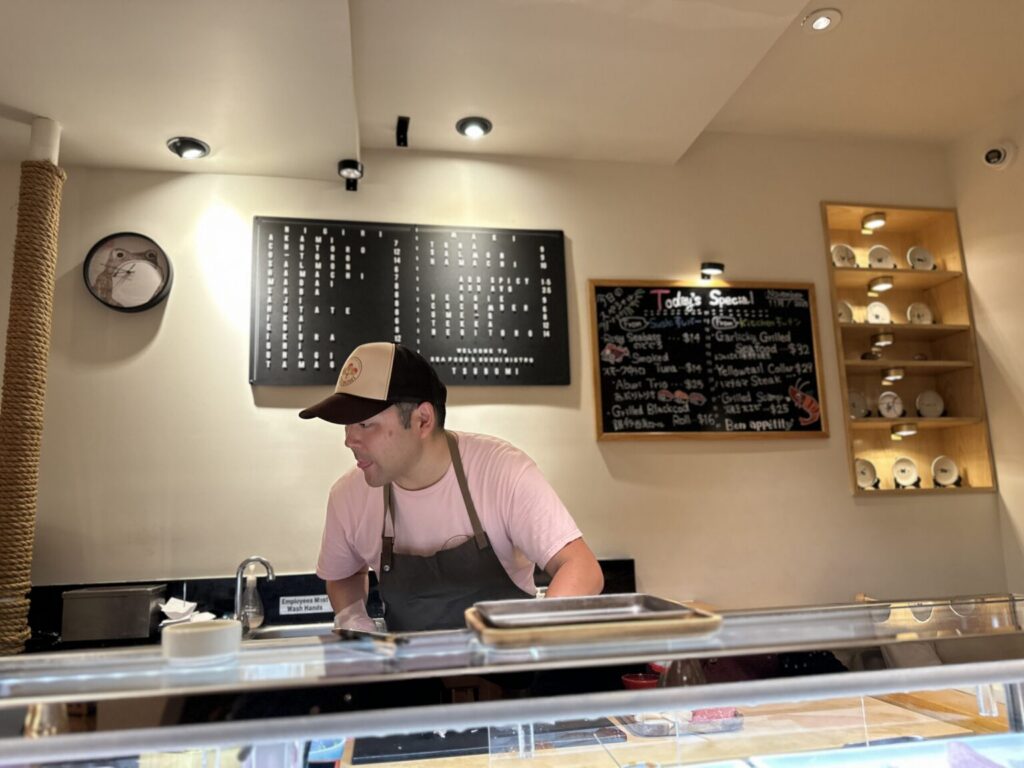
Genta Motomura
Brainchild of Chef Genta Motomura
It’s actually called Tsubomi Sushi and Seafood Bistro, but we’ll shorten it like they should have done (and likely will do). Tsubomi, which means bud, is a perfectly appropriate name. This is Motomura’s first sushiya after all, though he worked under the Iron Chef himself and trained in Japan.
Isn’t it ironic
There’s the menu right behind Motomura. A real life menu, with prices and everything. What a throwback. What a delight.
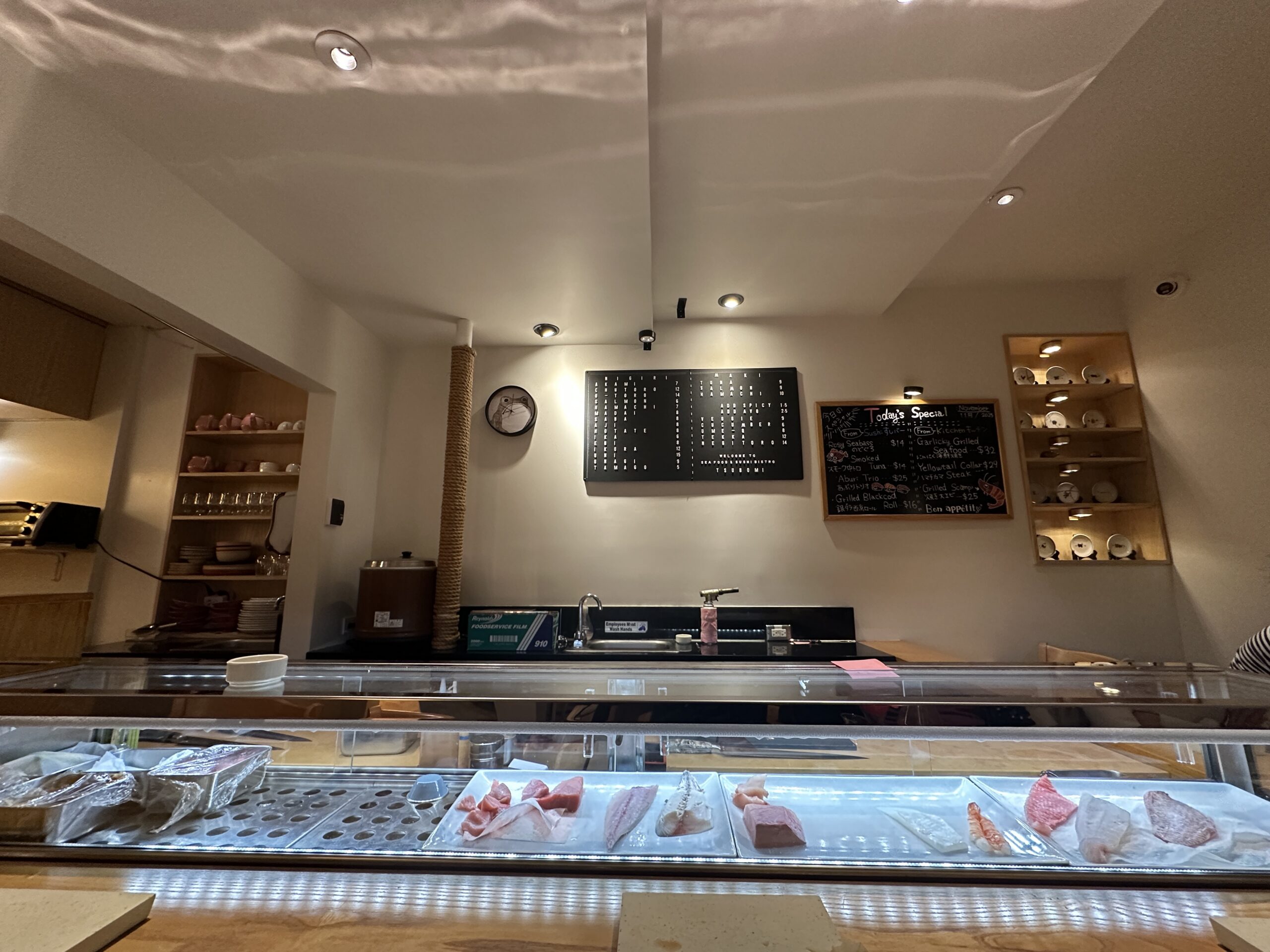
Menu behind the counter
Now given that I just spent 200 words waxing on the history of okonomi, some of you might call me a hack for ordering the $120 prix fixe menu. Well, (a) It’s not technically an Omakase, (b) I wanted some choice, (c) I have the resolve of a leaf.
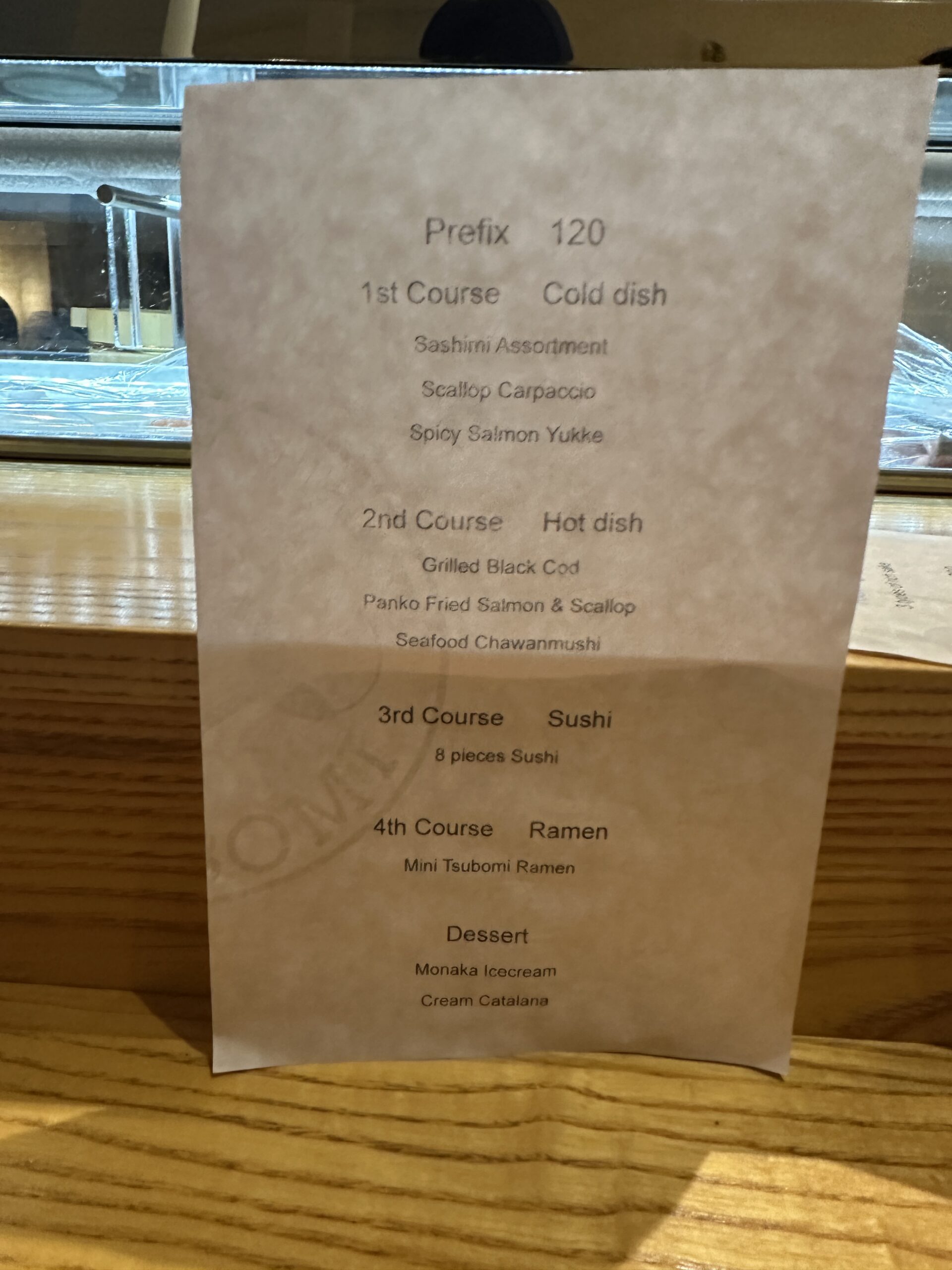
The menu
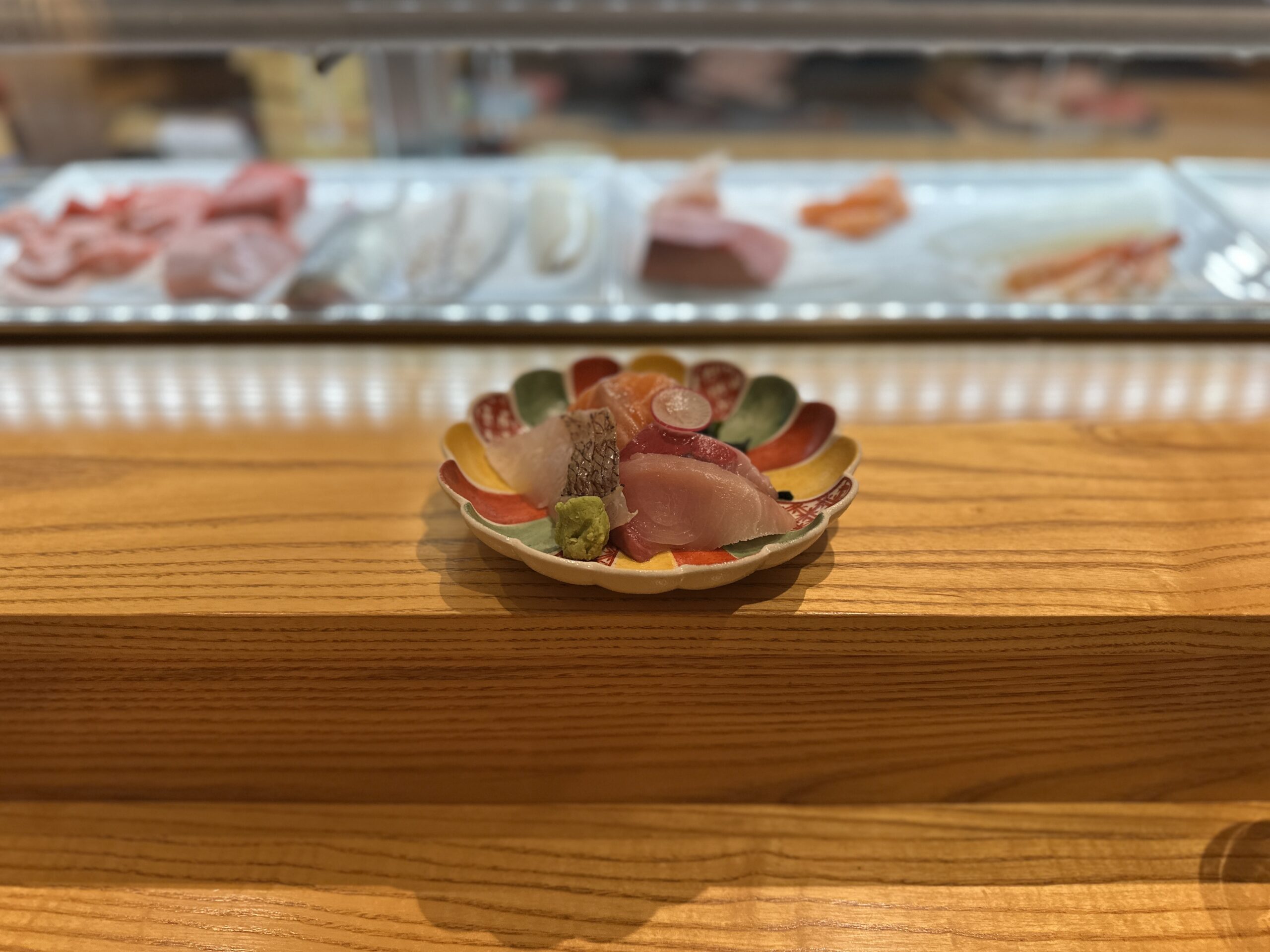
1: Sashimi
The sashimi was a fantastic opener. No paper-thin cuts, no decorative oyster shells (you know who you are).
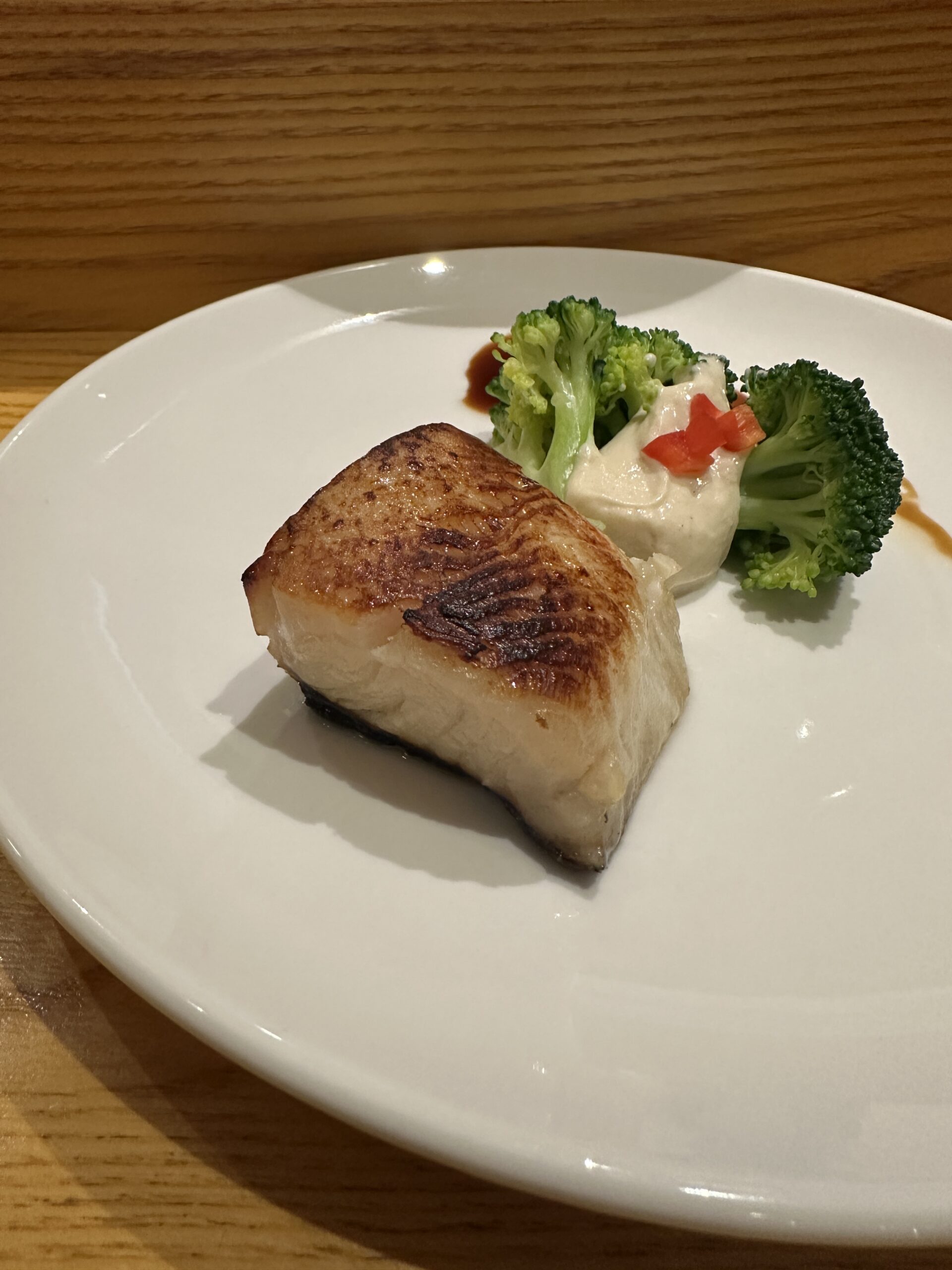
2: Black Cod. No, I didn’t have the white sauce.
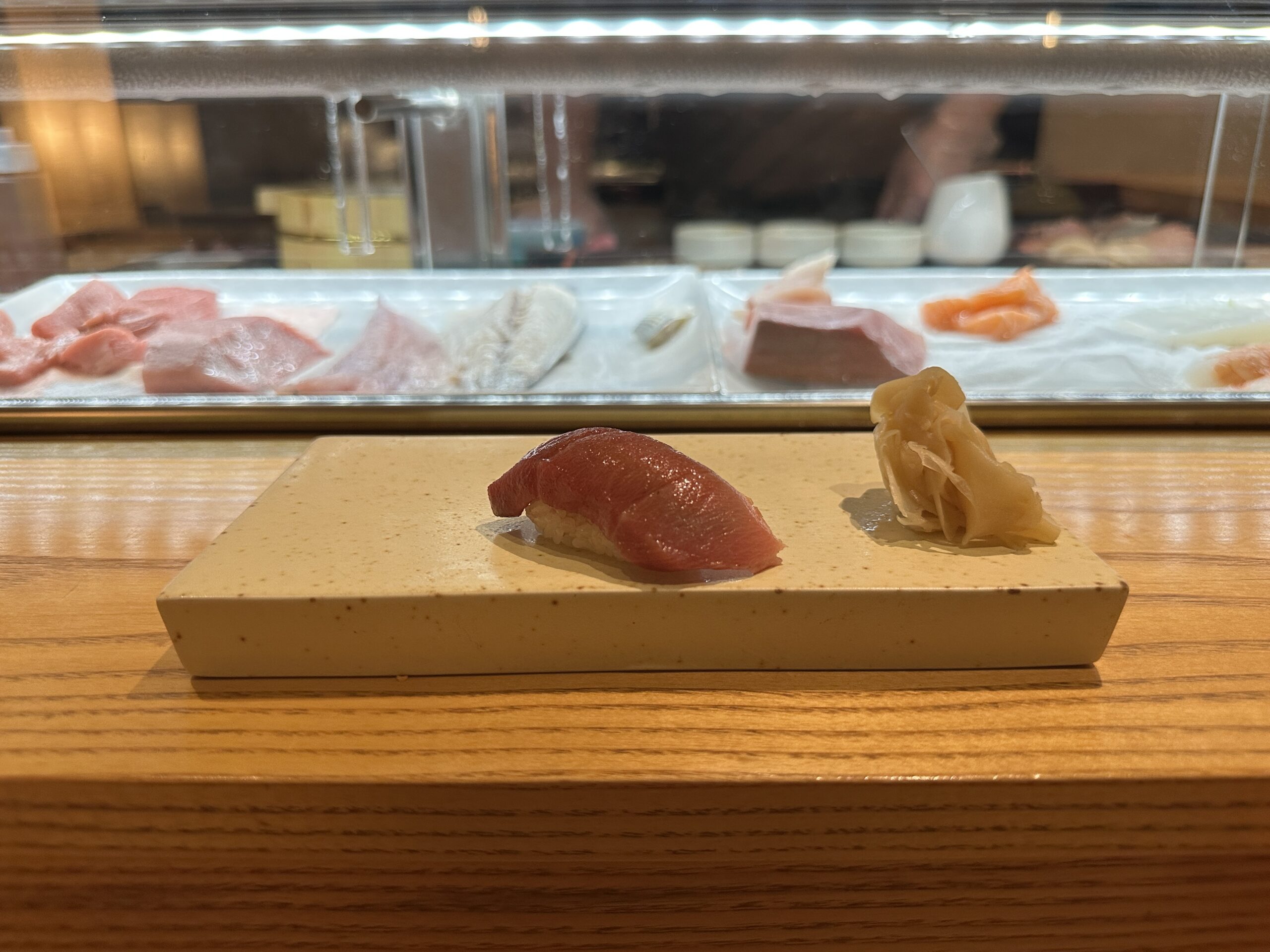
3: Chu Toro
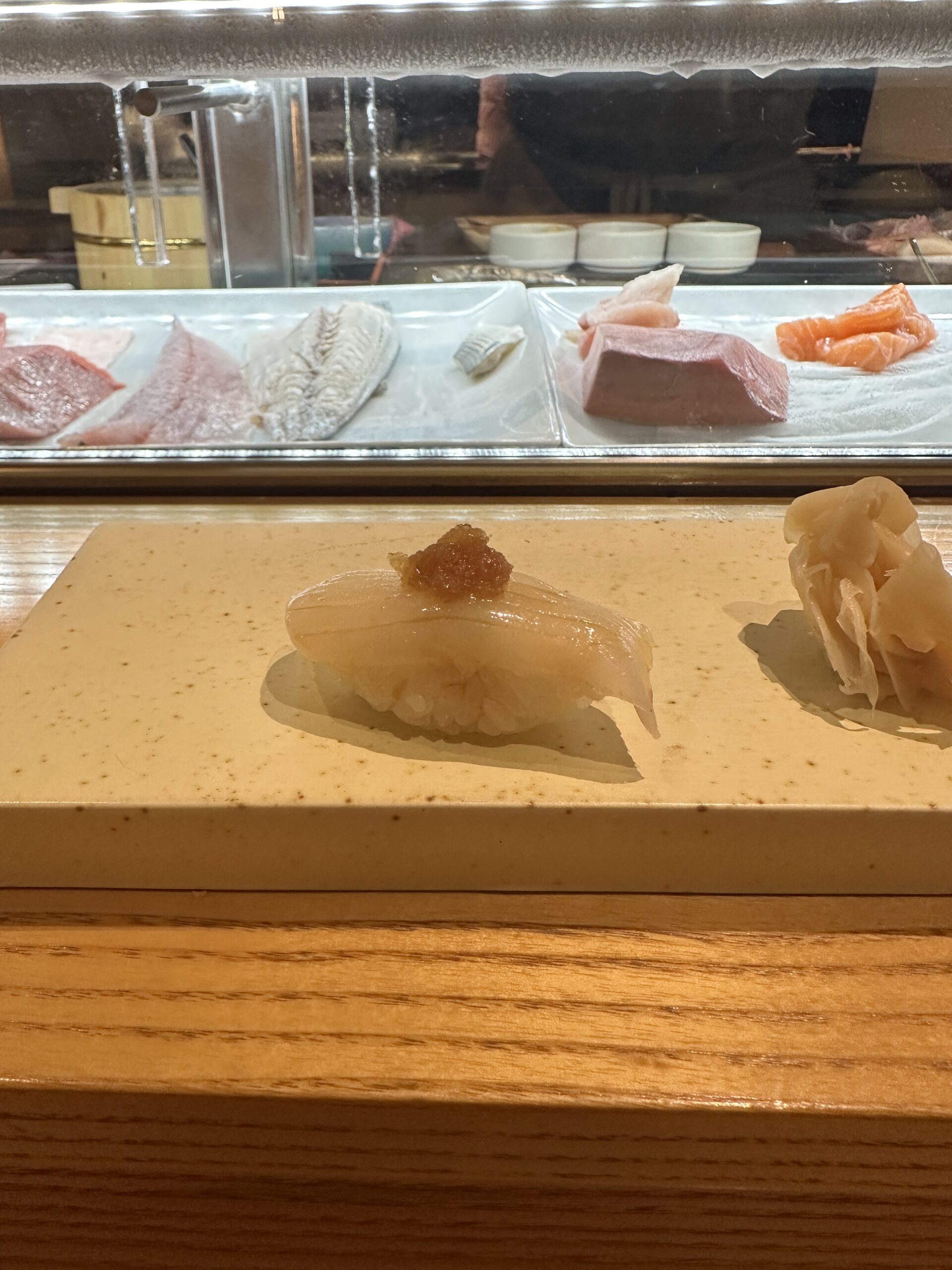
4: Aori Ika
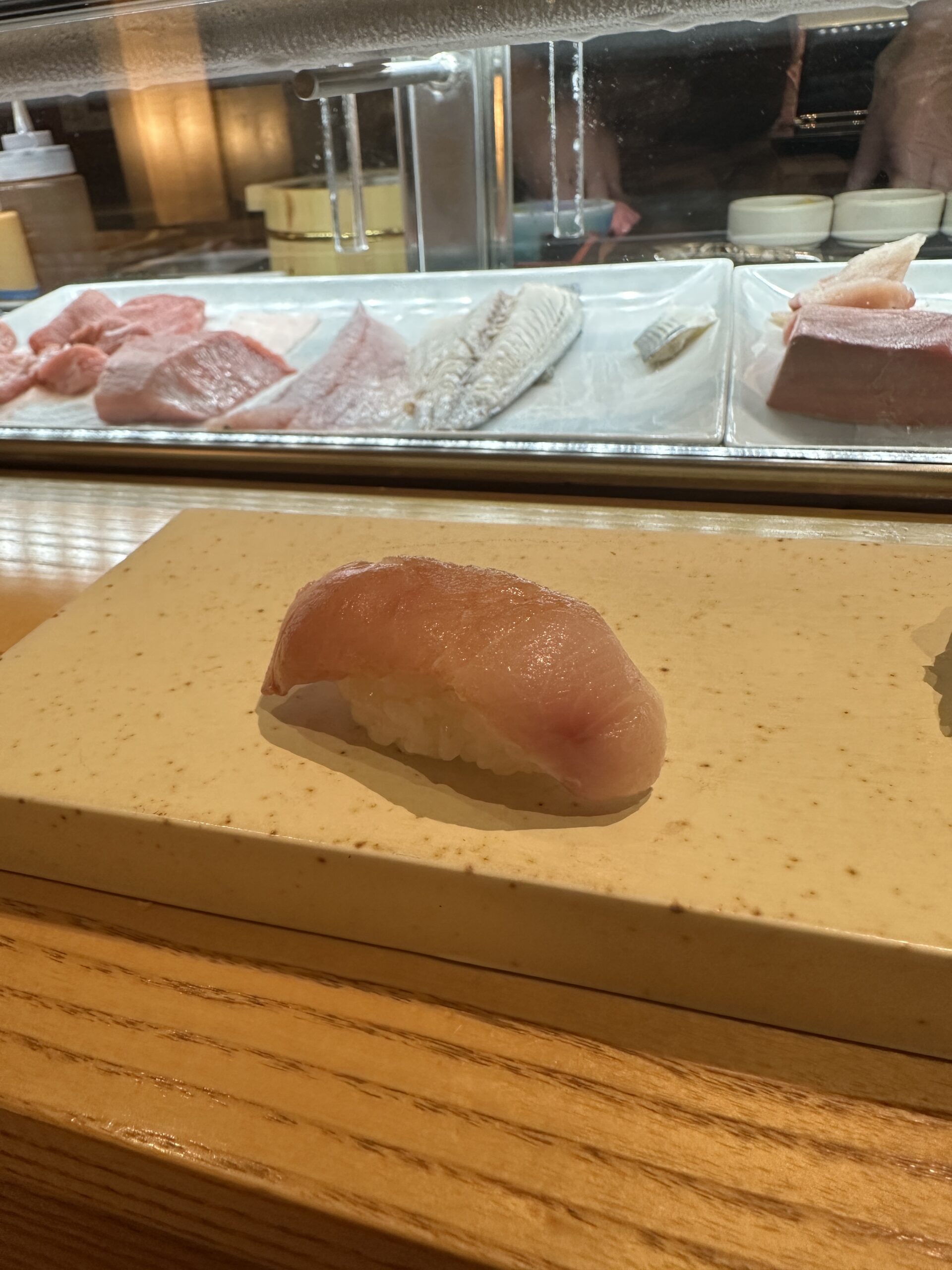
5: Hamachi
An easy way to tell a properly trained itamae
This is Kohada (Gizzard shad). It is a hikarimono (silver-skinned fish). Preparing it takes skill. Some people find it fishy. As a result, lesser sushiya don’t serve it. These sushiya are wrong.
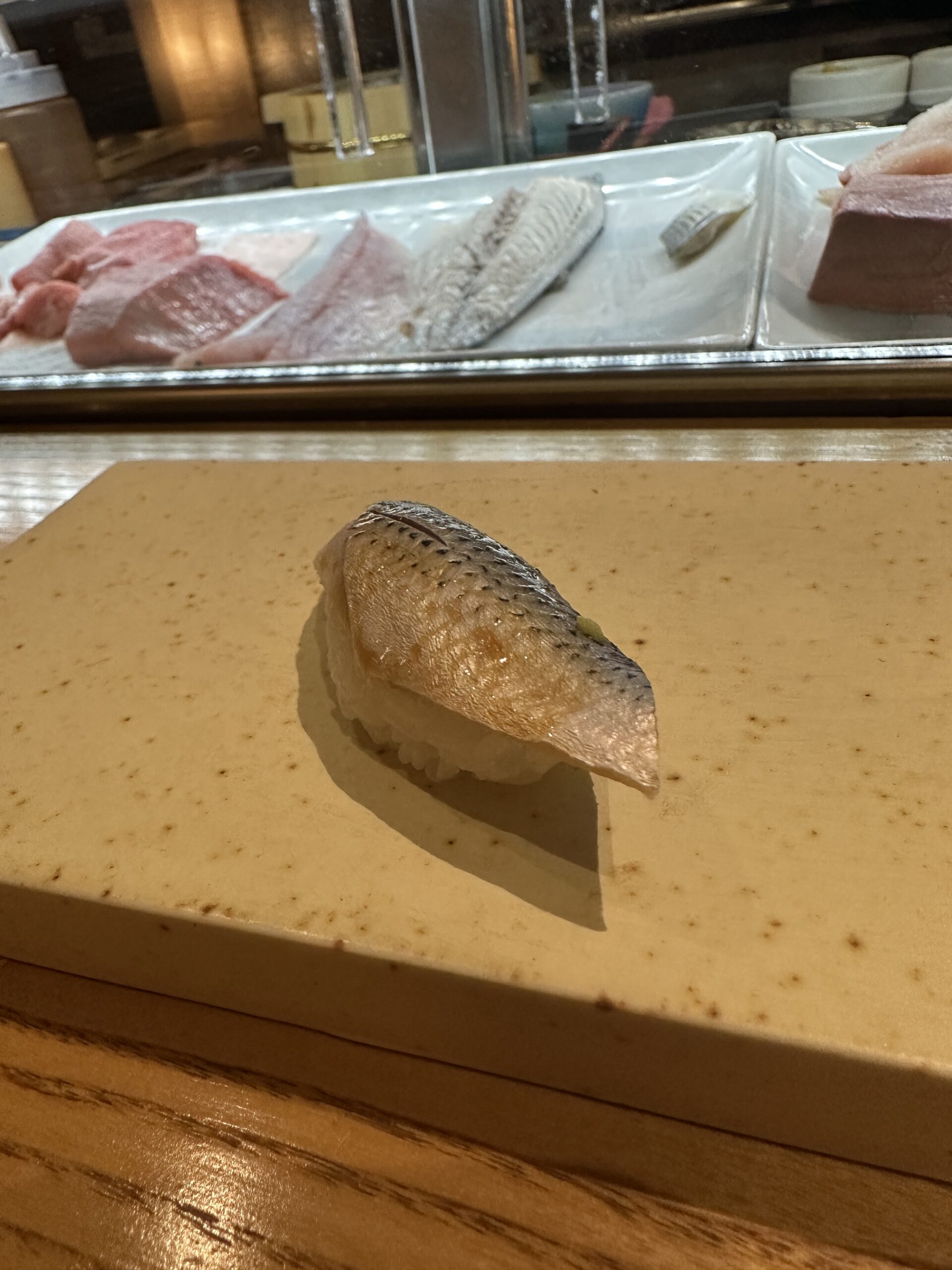
7: Kohada
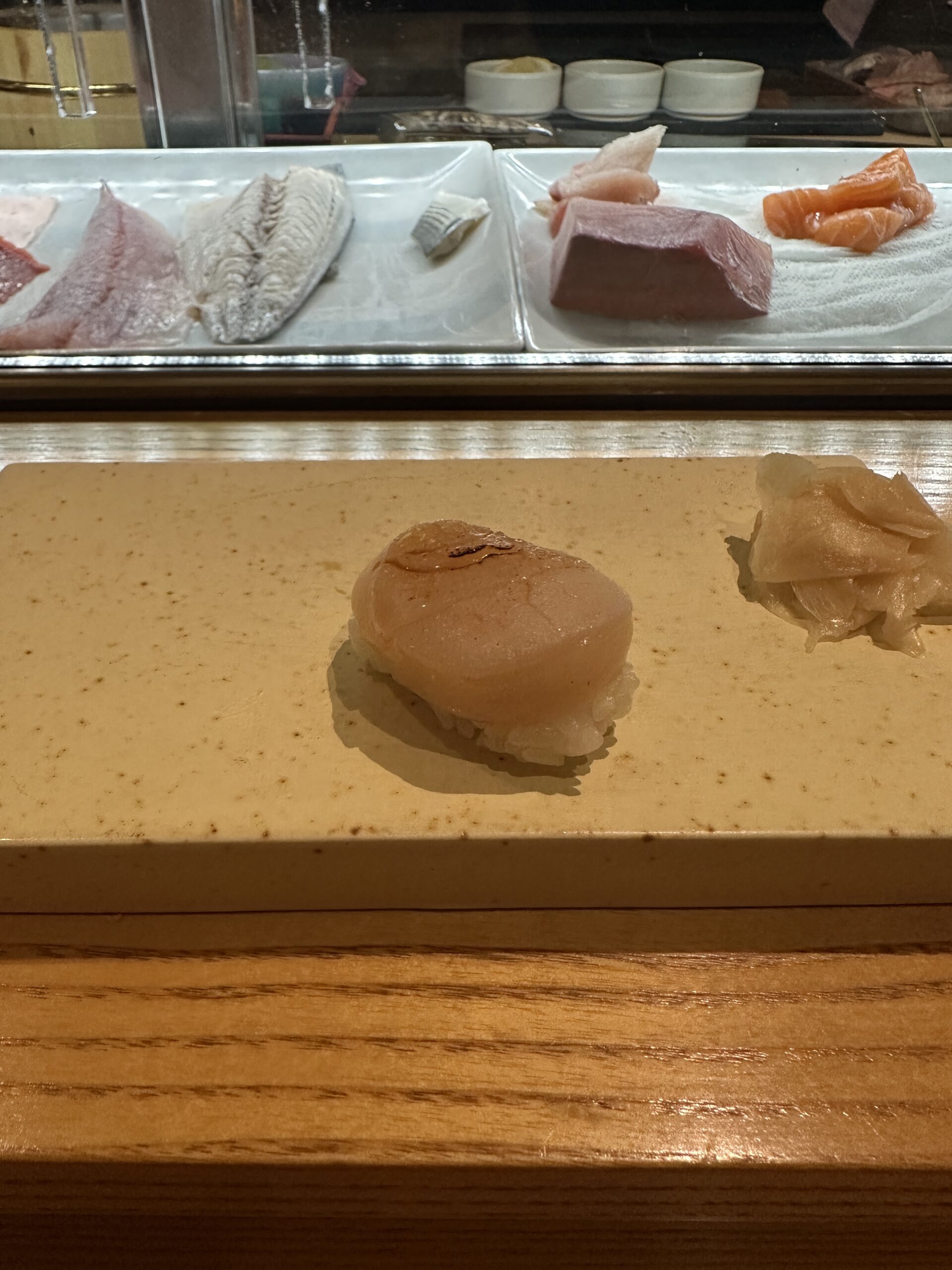
8: hotategai
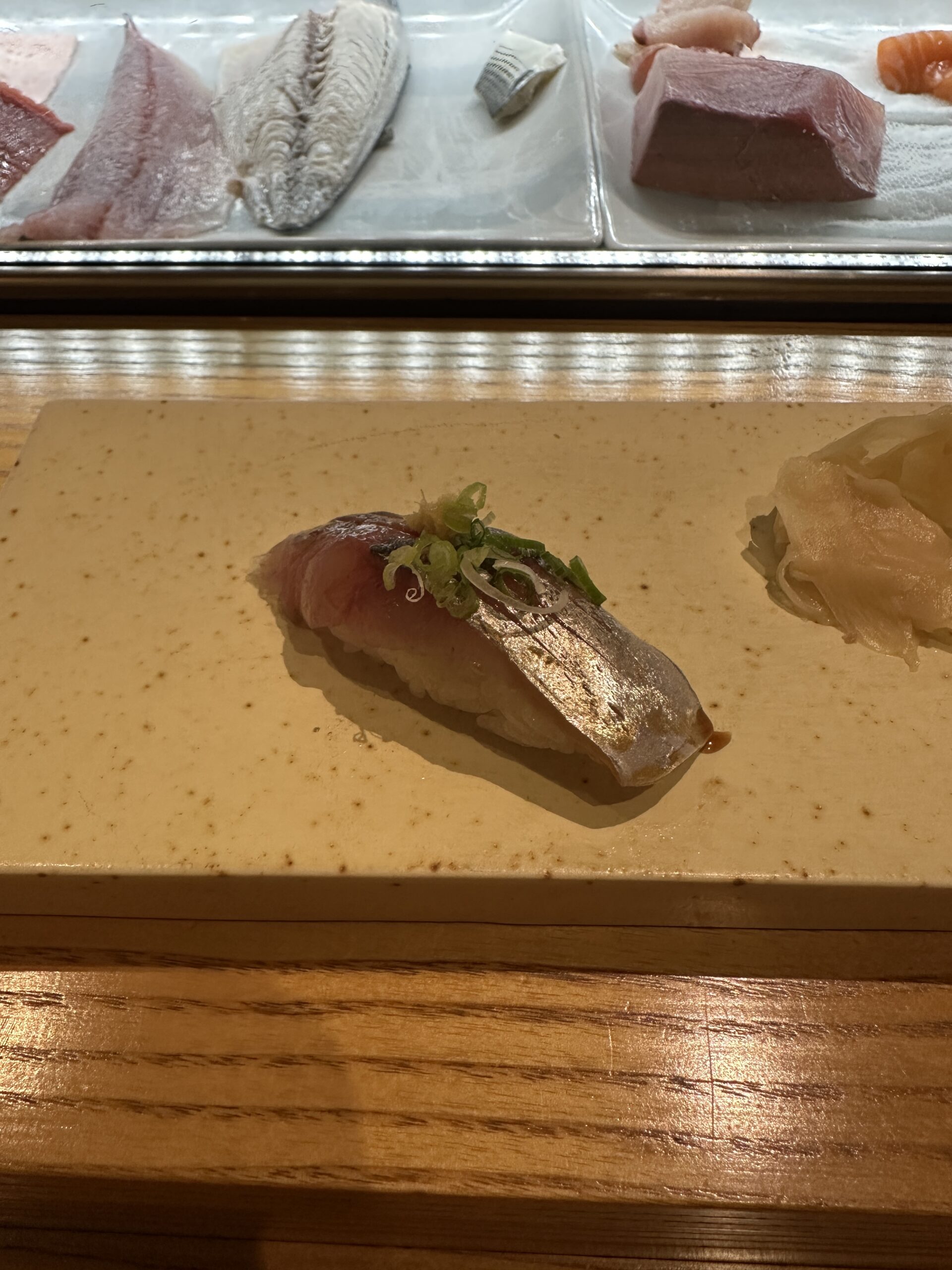
9: Saba (another hikarimono)
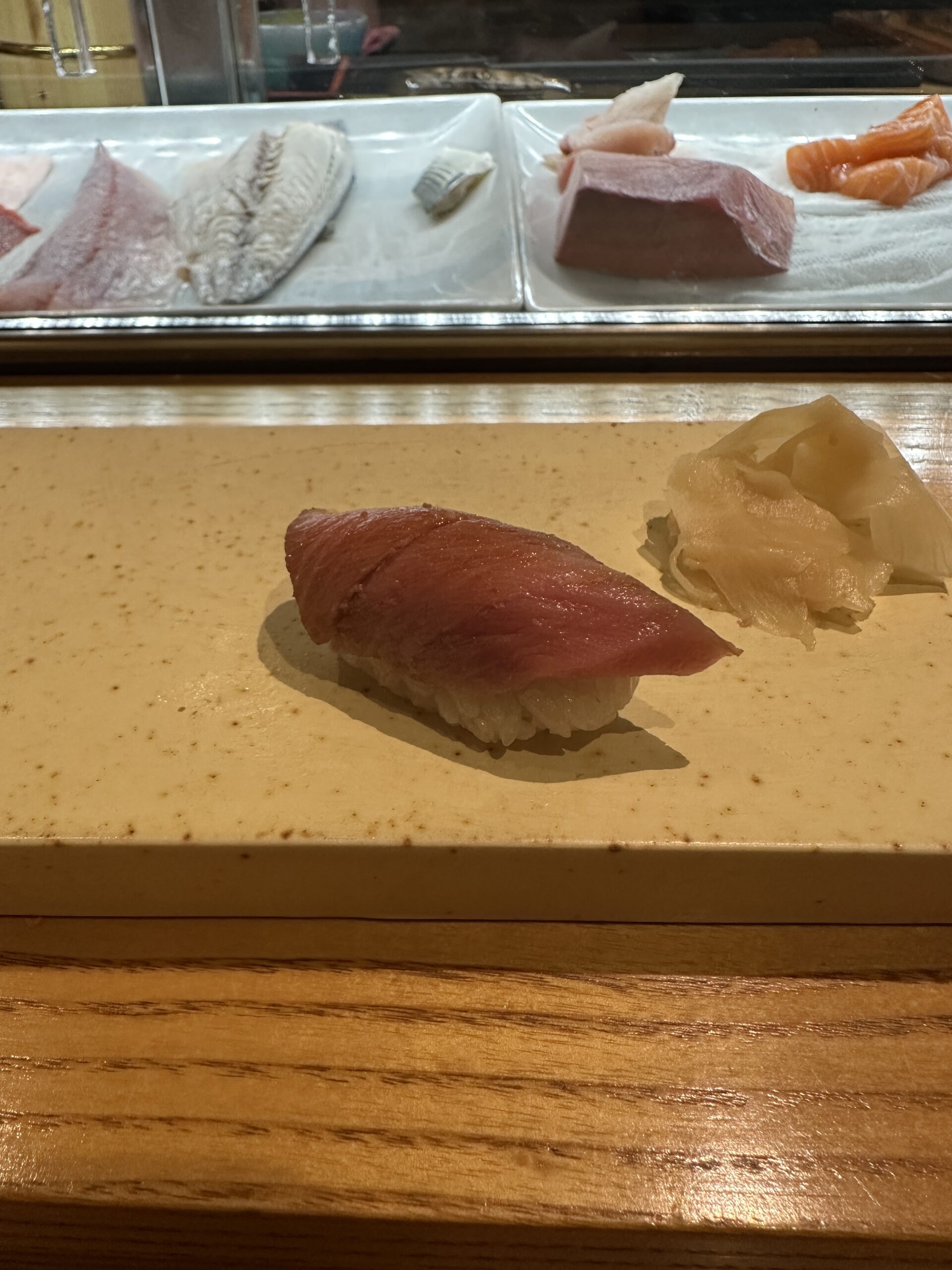
10: smoked toro
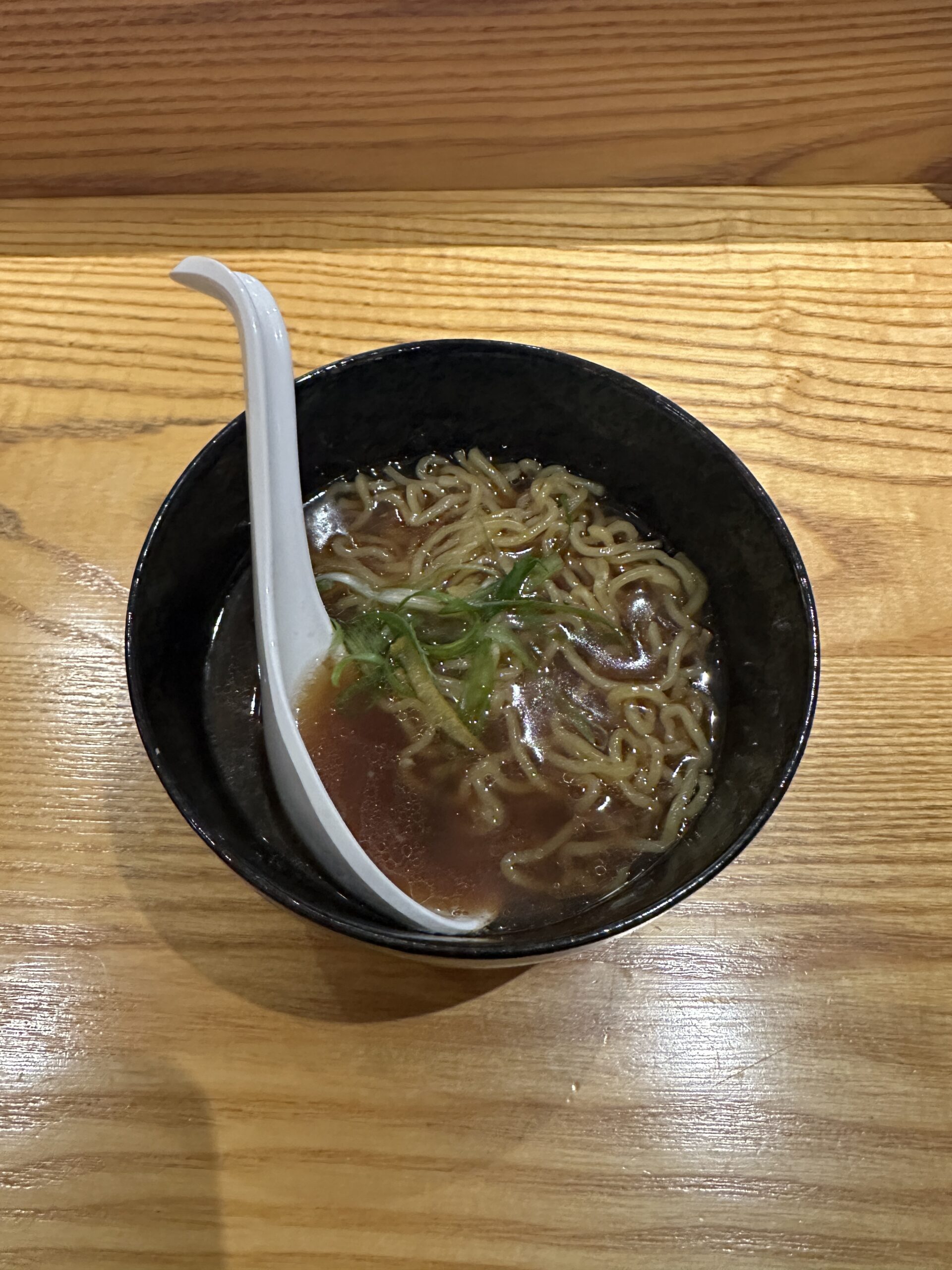
11: Mini ramen
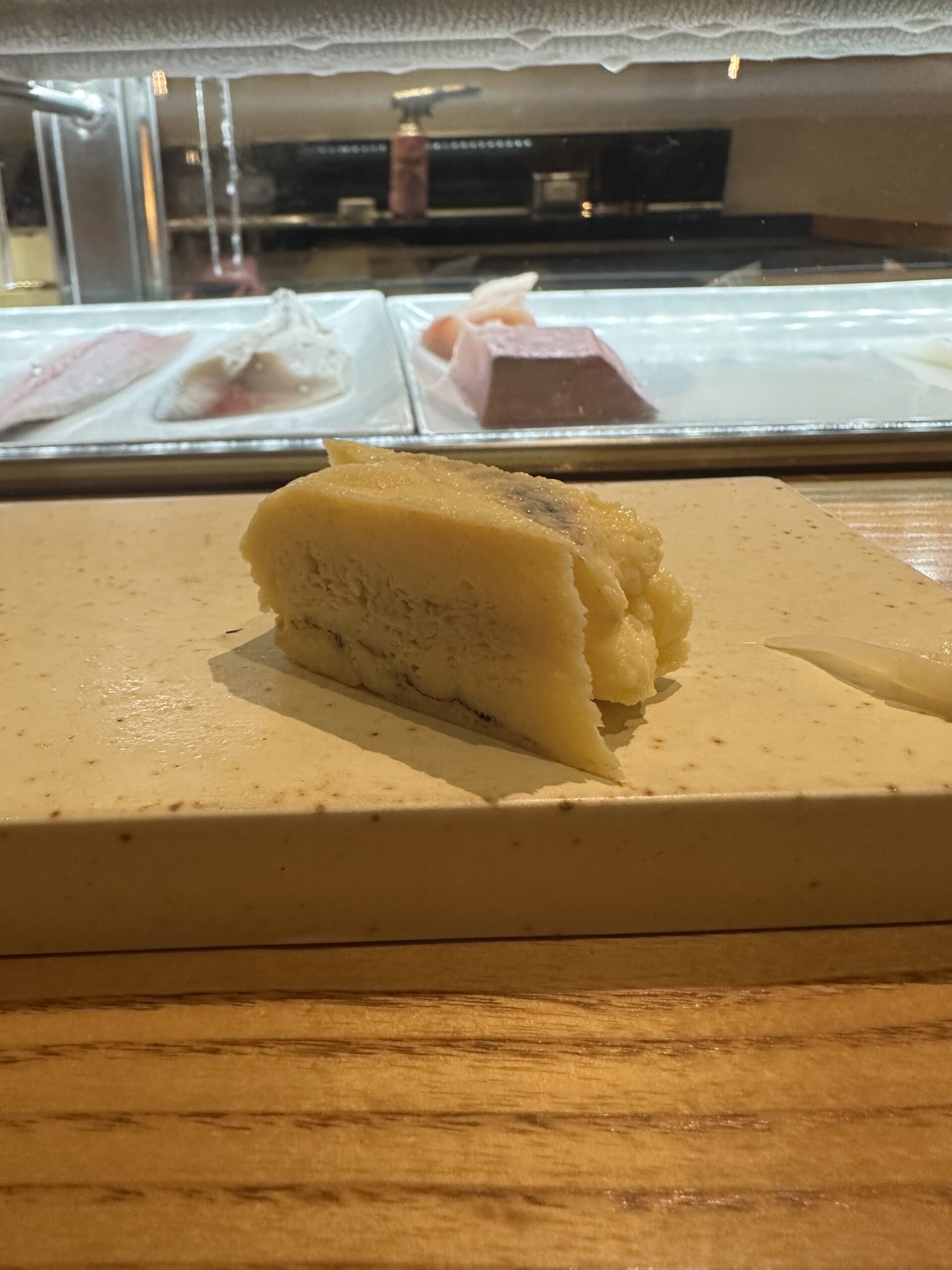
12: Tamago
The extras
Staring at the menu behind the counter for an hour had the desired effect.
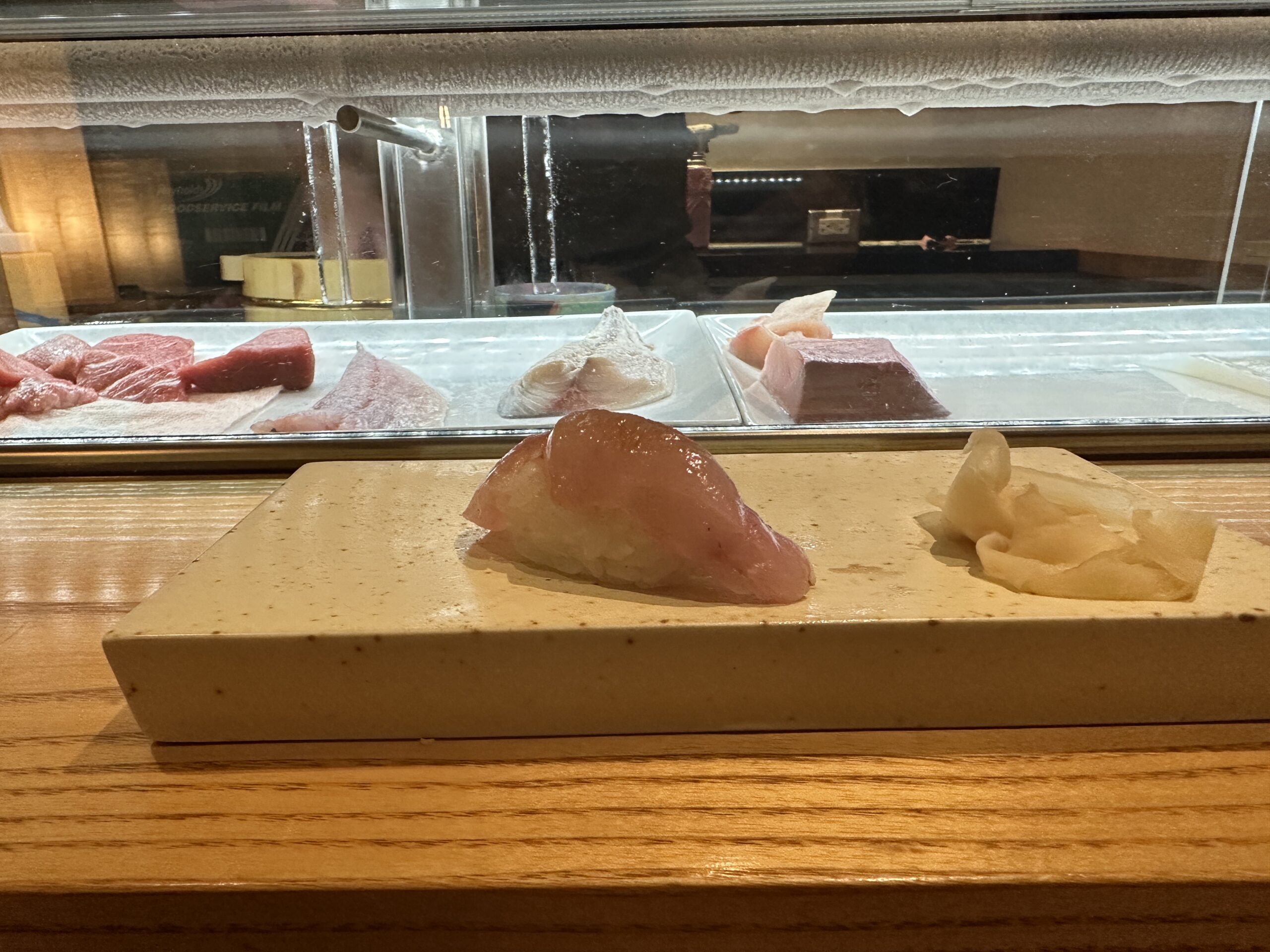
Extra 1: Nodoguro
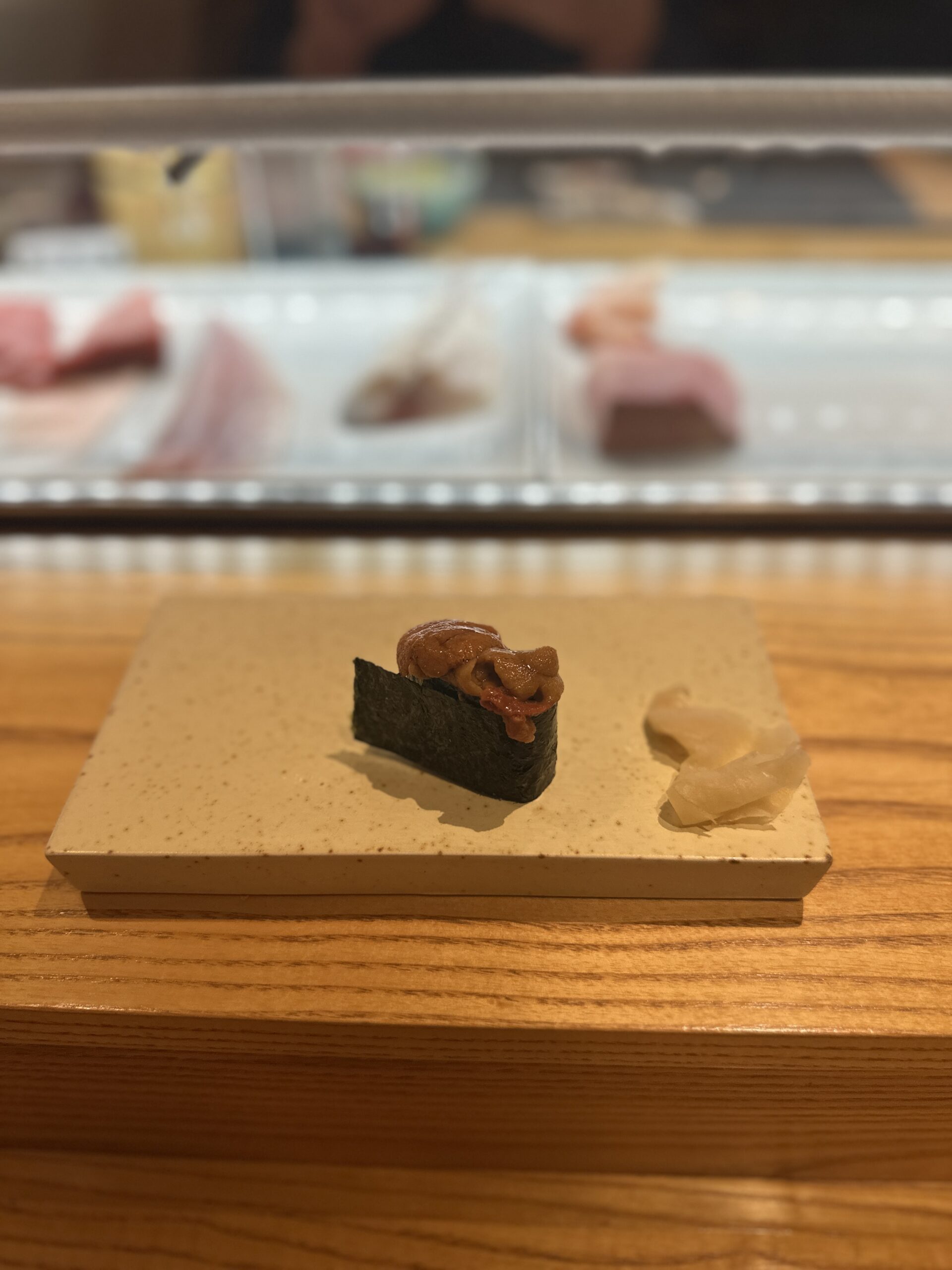
Extra 2: Uni (didn’t love the colour)
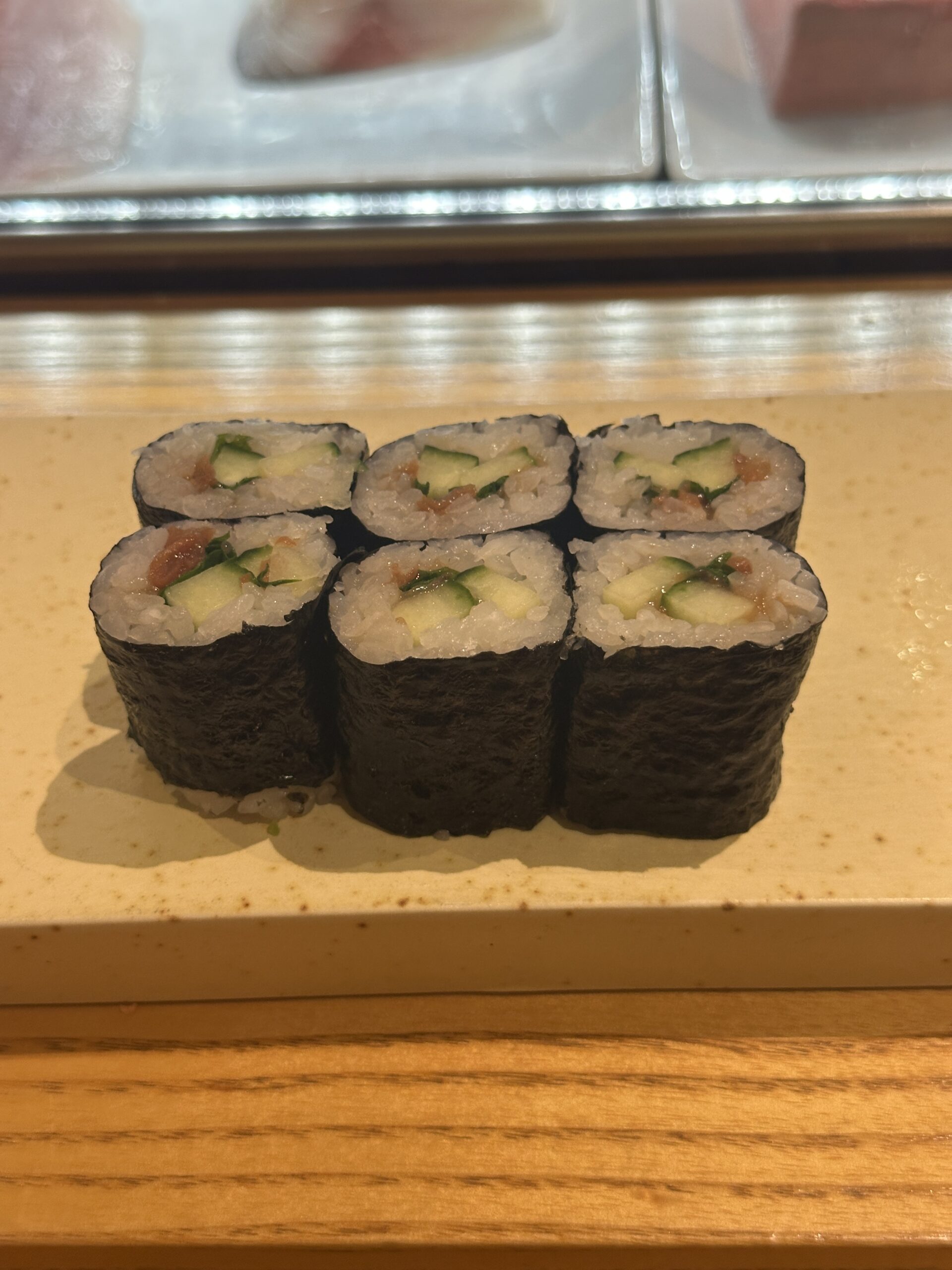
Extra 3: Umeshiso
Verdict
This is the type of sushiya perfect for the area; tables for families and large groups, a counter – and tasting menu – for something more celebratory.
I put it in the same group – but a notch below – Turtle Bay’s Sushi You. Delightfully local, refreshingly Instagram-unfriendly.
Recommended.