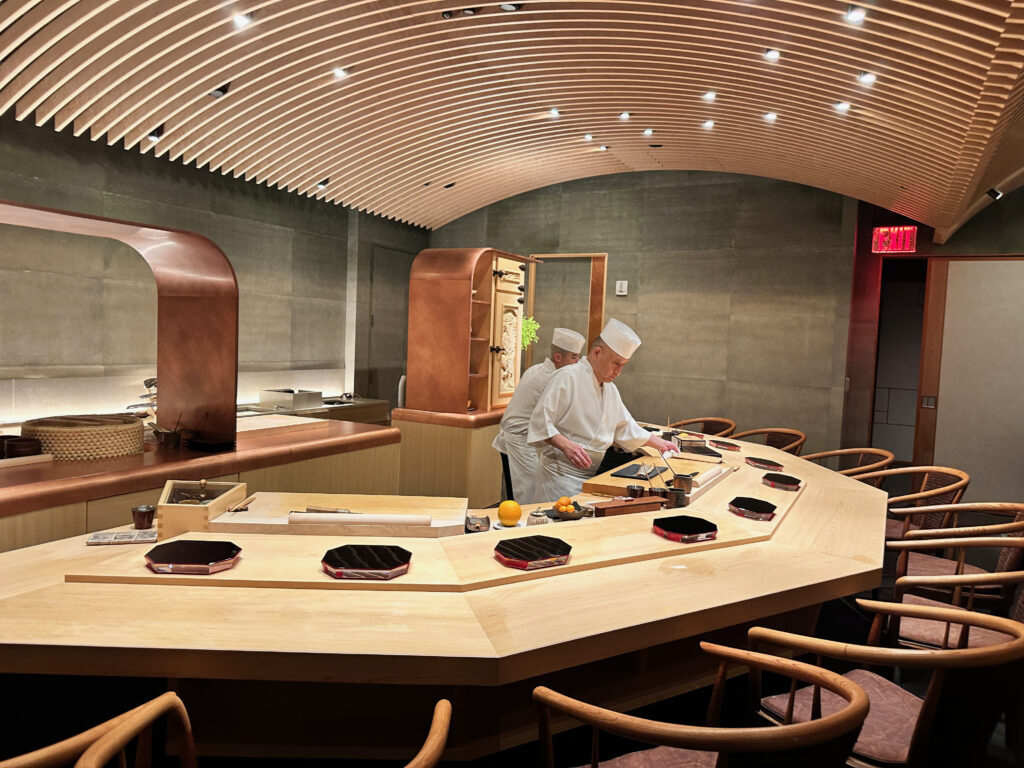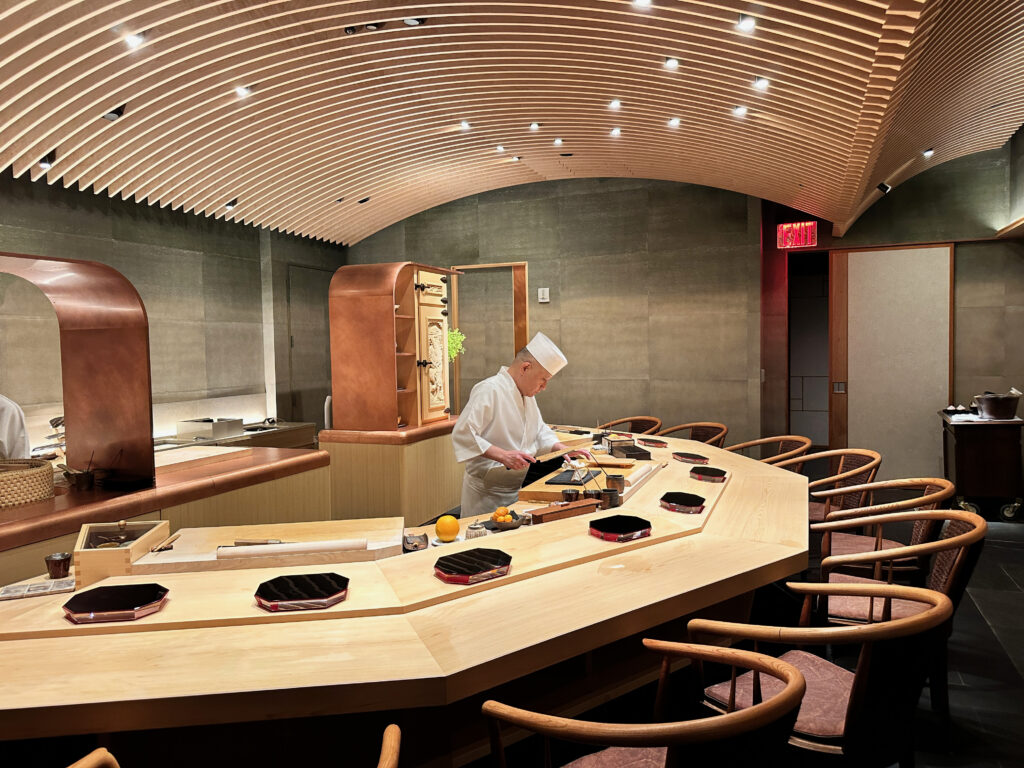
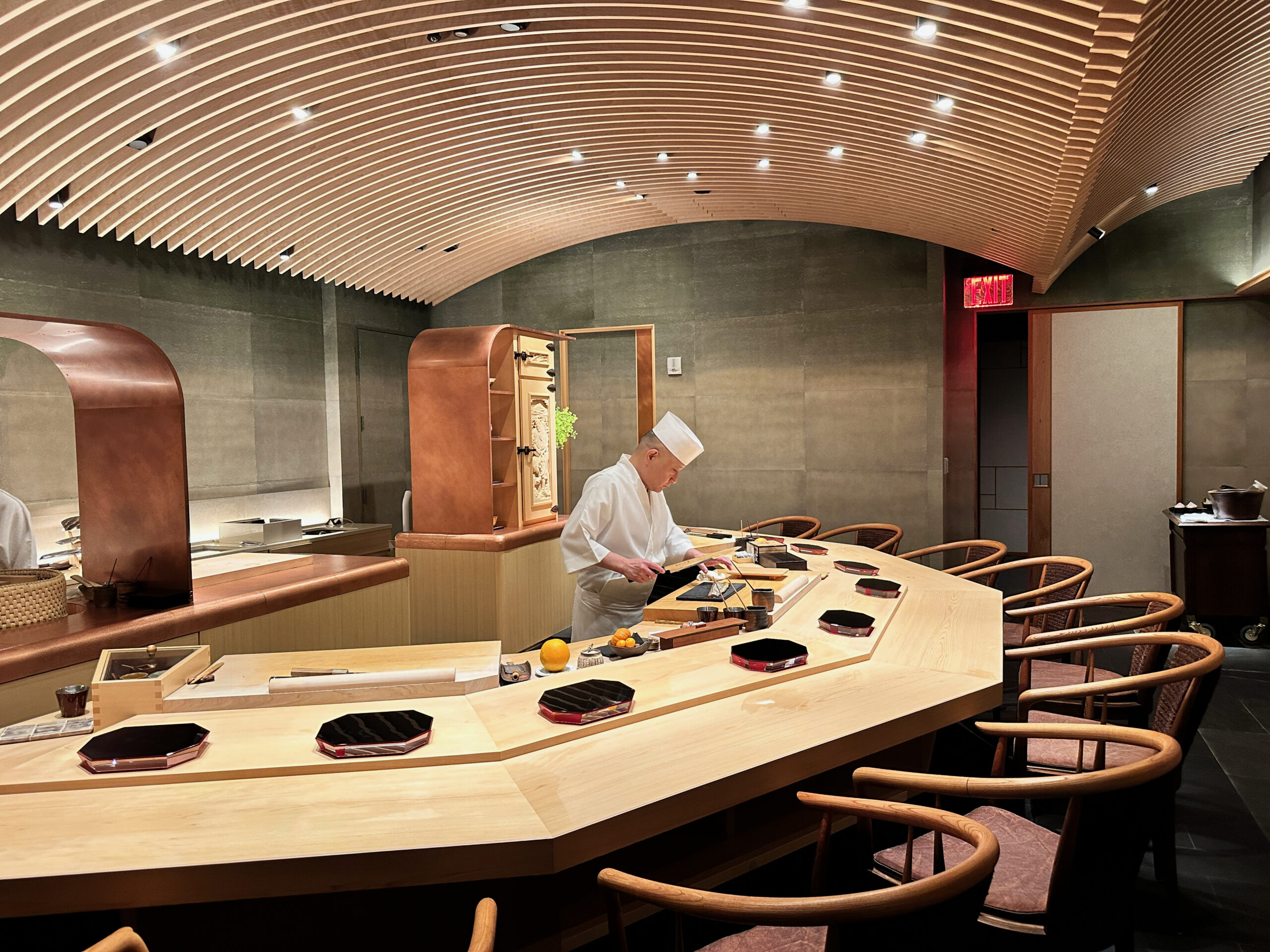
Rare look inside Sushi Sho before dinner service. Pictures are prohibited during the meal.
Editor’s note: My review from my first visit to Sushi Sho (March 2024) can be found here. My review from my second visit to Sushi Sho (July 2024) can be found here.
A THIRD VISIT TO VALHALLA
I recently sat for the third time at the legendary Sushi Sho.
I believe this is the best sushiya outside Japan, so the haters (of which there are very few) may say that’s a small number. But I don’t go to Castel Fragsburg every year, I don’t watch The Godfather every month, and I don’t use Kiehl’s Moroccan Clay Mask every night. Some times, the best things are best consumed irregularly.
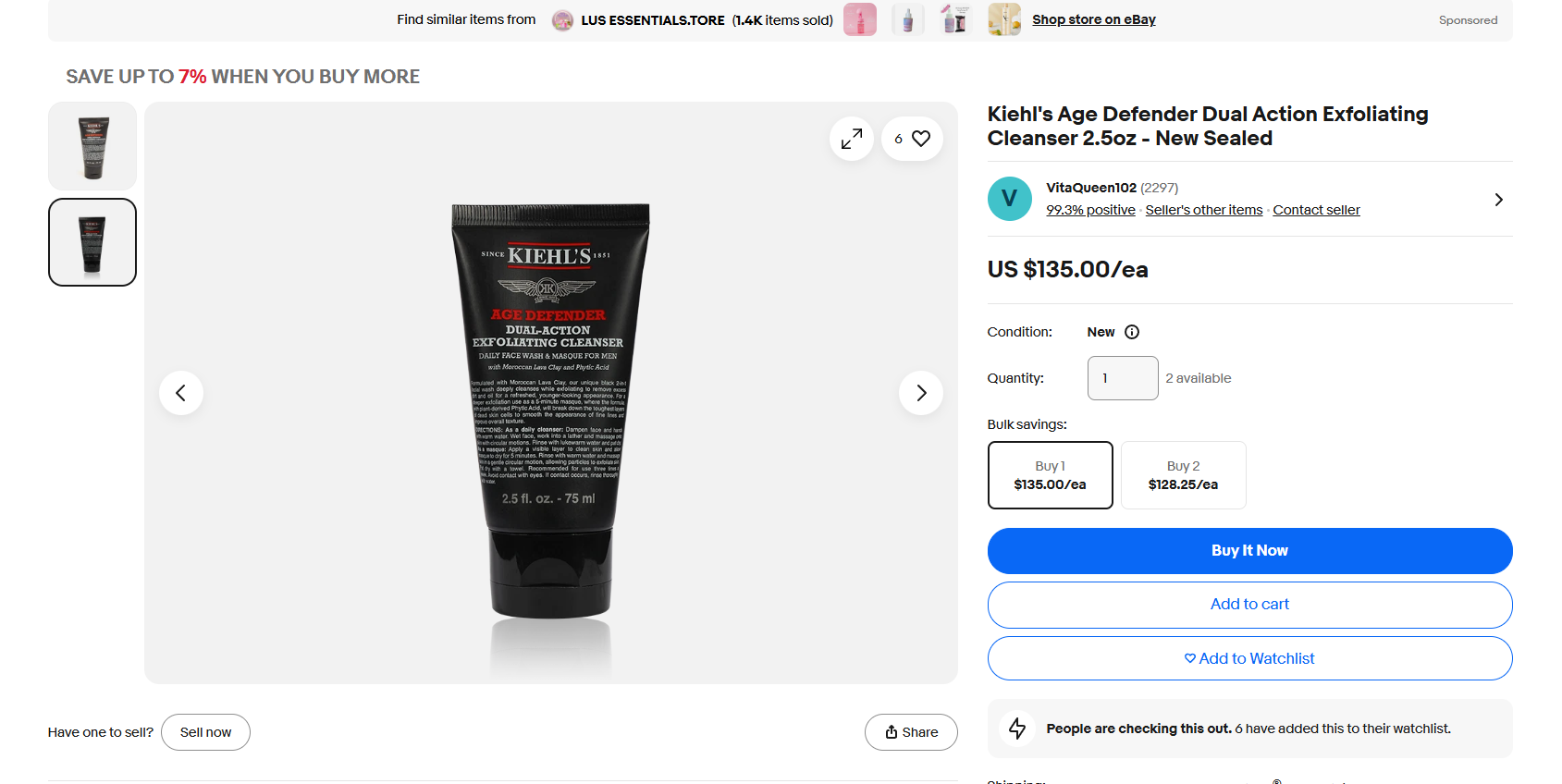
Like Sushi Sho, the best cleanser on earth – 2.5oz of the discontinued Kiehl’s Age Defender – is best consumed in doses. ps: yes i have some hoarded away. no you can’t have it.
JUST IN TIME FOR MICHELIN TO GIVE THEM THREE STARS
Regardless of what you think about Michelin – I’m firmly on team “it doesn’t fucking matter” – New York has just 5 restaurants with 3 stars. So, (a) the Sho team should be very proud and (b) good luck getting a reservation now.
A QUICK REFRESHER
In case you’re new here, we’re lucky to have Sushi Sho based in New York at The Andaz in Bryant Park. It’s where bonafide sushi legend Keiji Nakazawa shifted after running Sushi Sho in Hawaii and Tokyo before that. You can read more about Nakazawa-san and what makes him special in my first or second review of Sushi Sho, or in the book, Sushi Shokunin.
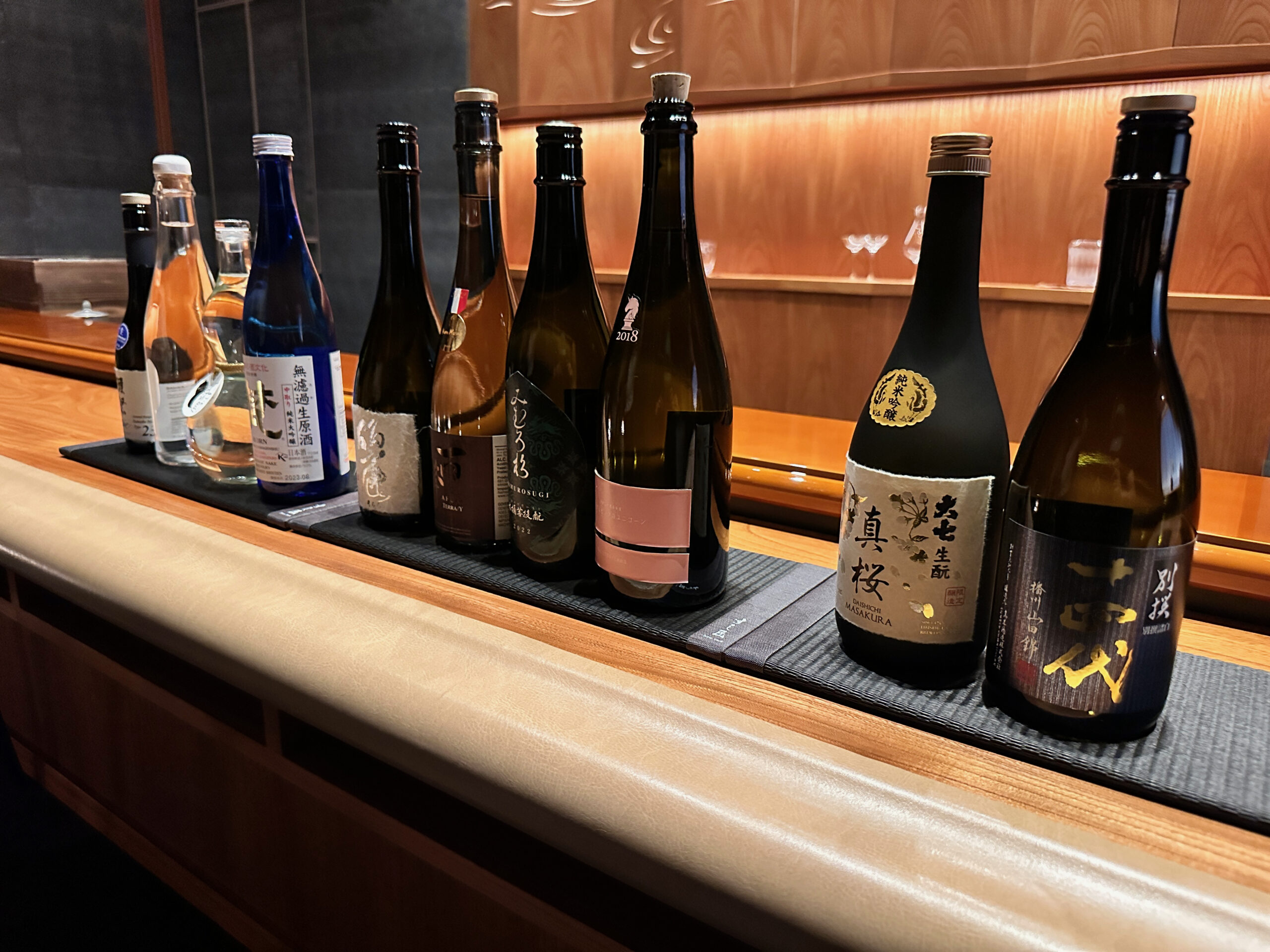
Until your entire party arrives, Sho stations customers in the front bar “room”.
SHOCKING DEVELOPMENT THAT THE QUALITY PERSISTS, ER SUBSISTS
Because taste is subjective – unless we’re talking about skyline chili, which is objectively bad – there’s always a risk that good reviews are just a feedback loop from people who can’t think for themselves. Similar to movies, music – the emperor may have no clothes, but who will be the first one to mention it?
So good news: Sho is still as strong as ever. In some respects – like with the cuts of fish, the portion sizes, the operations – it’s even better. The couple next to me was 30 minutes late (no joke). Sho didn’t miss a beat, taking just 10 courses to time them back up. Part of that is the 20 or so staff for just 10 patrons. The other part is that everything is prepared just in time, making it easier to slow or speed as necessary. It’s hard to explain unless you go yourself, but the best analogy is a symphony, with Nakazawa-san as the conductor. The no-phones policy makes it easier to observe.
OMAKASE IS $450 AND 25 COURSES
I’d estimate that the Omakase is about 40% house specialties on any given night. That means there’s something new for everyone, even the returning legends.
For instance, the third course is a Sho specialty. Yari-ika, or simmered squid stuffed with shari. This is an ode to a dish called Komochi-ika, which translates to pregnant squid. But my prior two visits, squid roe was the filling, as is tradition. This time – the version with Shari – is what I believe Sushi Sho served in Hawaii (picture below is from there).

Picture of a Sushi Sho specialty from Sushi Sho Hawaii. Photo cred “Dale” on Flickr.
The seventh course was Kabakogani, or the female snow crab. It’s now in season, which is a running theme at Sho. Kabakogani are smaller than Kanigani, their male counterparts, but packed with flavour. Same concept as lobsters – bigger doesn’t necessarily mean tastier.
The eighth course was Kawahagi. Traditionally, this shiromi (white-fleshed fish) is served with its liver on top, dressed in ponzu. Here, the serving was generous. Nearly ten years to the day that I had the same neta at Sushisho Masa in Tokyo – a shop named in tribute. Funny how seasonality works.
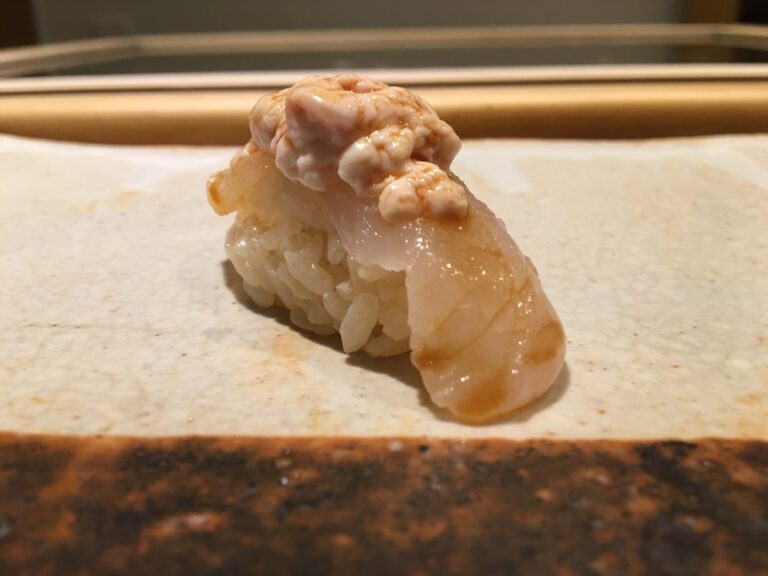
Kawahagi from Sushisho Masa in Tokyo, nearly ten years to the day of my meal at Sushi Sho
(fyi: if you’ve never read my honeymoon to Japan blog, do yourselves a favour and read it).
I don’t remember if I’ve discussed Chiaigishi, the 11th course, before. Turns out pounding pinot grigios in airport lounges for 20 straight years affects your brain. It’s the chu toro near the red muscle (called Chiai), which apparently controls the Tuna’s swim motions? For our purposes, it’s a rare cut that goes bad quickly. Best left to the hands of experts.
The 13th course was double-stacked Buri, adult wild yellowtail, now in season. Of course it’s delicious, but double stacking has a second purpose: displaying the technique – the shokunin’s waza. That’s because if the neta is too heavy, or the shari not precise, the sushi will fall apart. If you’ve ever picked up nigiri that immediately split in two like War Of The Worlds, there’s your likely culprit.
So each slice has to be perfect, and the rice dense enough to hold the shape without turning into a ball of cookie dough.
This was fantastic.
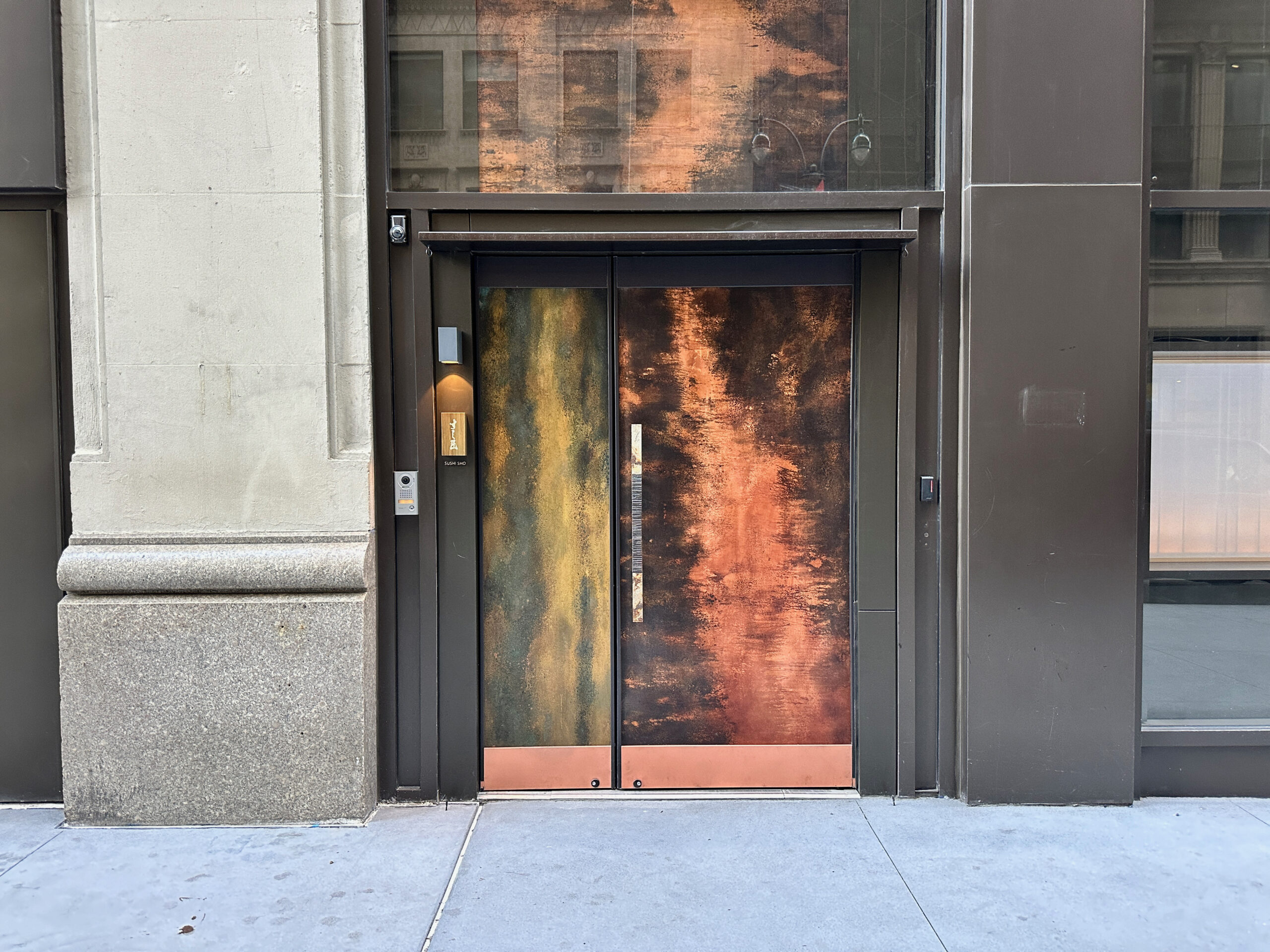
This is the door you’re looking for
THE FULL OMAKASE
Dishes marked with an * have appeared in all my visits, and I guess can be considered house specialties, though the menu changes nightly.
- Kunomoto oyster from Washington with Matsutake and steamed bafun uni | small dish
- Kasugodai (young sea bream) | nigiri
- Shirako (cod sperm sacs) | small dish
- Iwashi (vinegared sardine) wrapped in local vegetables | makizushi (style)*
- Sawara (spanish mackerel) matsumaezuke style | nigiri
- Yari-ika (simmered squid stuffed with shari) | small dish*
- Kabakogani (female snow crab | small dish
- Kawahagi with himo (liver) | nigiri
- Katsuo | sashimi
- Pickled local cucumbers wrapped in katsuoboshi (dried bonito) | small dish
- Chiaigishi (chu toro from near the red muscle) | nigiri
- Karasumi (dried mullet roe) with Kazunuko (herring roe) aged for sixty days | sashimi*
- Buri (soy-marinated adult wild yellowtail) | nigiri
- Bettara Zuke (presented as “pickled local vegetables”)*
- Nishin and Sake Izushi | small dish*
- Ankimo (monkfish liver) with pickled watermelon | small dish*
- Pickled pear | small dish
- Kegani with Vinegared Egg Yolk Oboro | nigiri*
- Takuan – Smoked pickled daikon with fermented shari izushi | Small dish*
- Gindara (black cod from Santa Barbara) | nigiri*
- Dried bonito and kombu kelp dashi | Sipping glass*
- Tamago Kansai and Tokyo style | makizushi*
- Kuzukiri – traditional dessert from Kyoto. Kudzu noodles, served in ice, with Kuromitsu (Japanese black sugar syrup)* | small dish
- Salt Milk Ice Cream with leftover Kuromitsu* | small dish
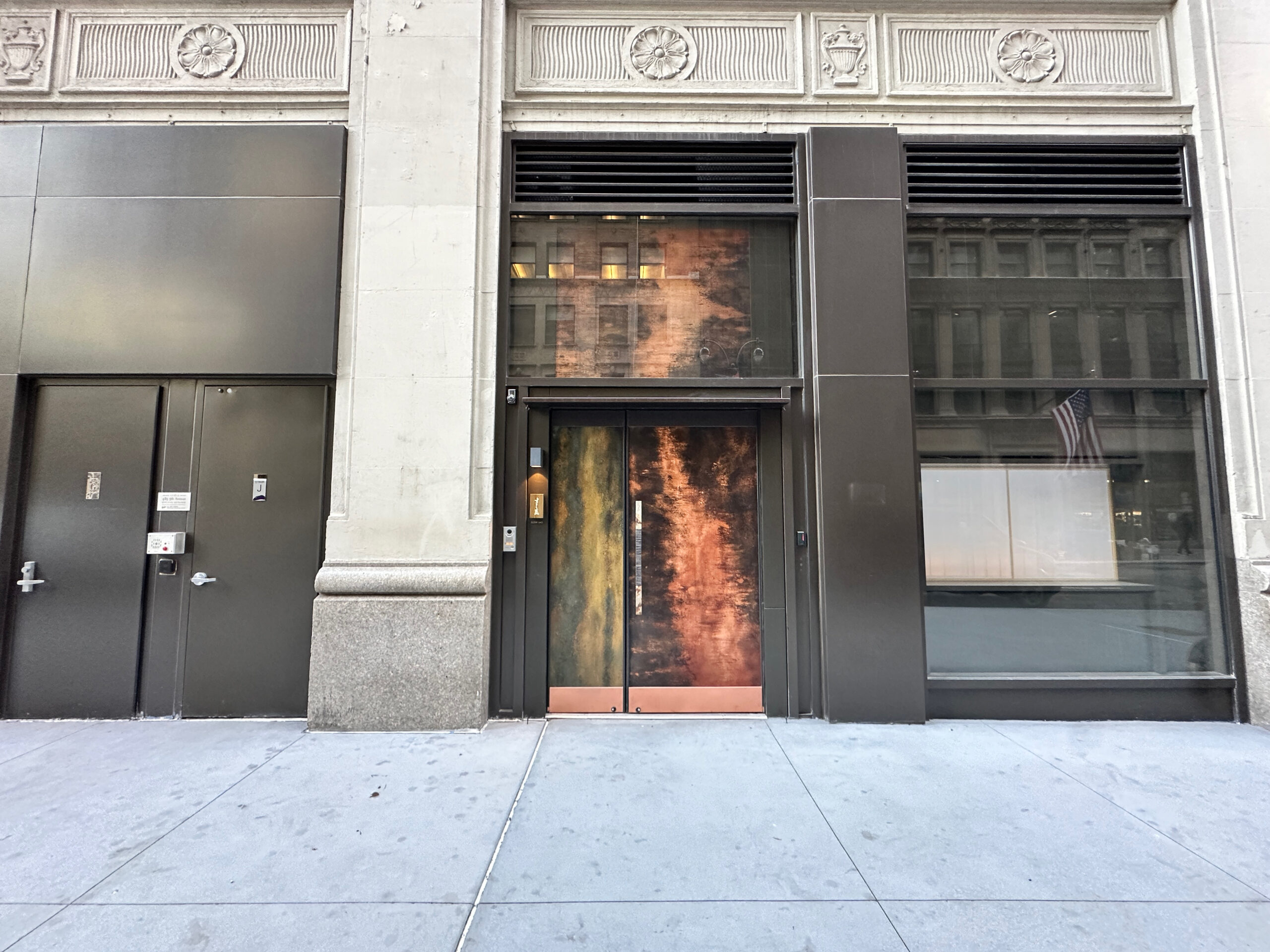
Here is another picture of the door
THE OKONOMI (A LA CARTE AFTER OMAKASE)
I have two standard ‘rules’ for Okonomi at Sushi Sho – I’ll order everything new to me – quite a lot, given how often the menu changes – plus any hikari-mono. Many New York City sushiya eschew these silver-skinned fish because they are more challenging to prepare. Here is one of the places I get my fix.
The belly of the Katsuo – Katsuo Harasu – qualified. We’re at the tail end of the second prime Katsuo seasos. Modori-gatsuo – the returning skipjack – comes back nice and plump. Imagine the belly. A fatty part of a fatty fish.
If I could order again, I would have gotten Kannuki (grown halfbeak). You might be familiar with Sayori, a hikarimono. Kannuki is the name for Sayori of 16 inches or more.
The full list from my visit (bold is what I ordered).
- Kohada | nigiri
- Ko Iwashi | nigiri
- Ma-saba (king of the mackerel) | nigiri
- Kannuki (also known as sayori, halfbeak) | nigiri
- Sujiko | nigiri
- Kawahagi | nigiri (I don’t recall what made this different than the Omakase, but it was something
- Kue (grouper) | nigiri
- Kobashira (eye of the aoyagi – orange clam) | gunkanmaki
- Steamed Megai-awabi (Red Abalone) | nigiri
- Kinmedai skin aburi (seared) | nigiri
- Murasaki Uni from Santa Barbara | nigiri
- Ankimo | nigiri
- Chu Toro | nigiri
- Shimofuri O Toro (you’ll likely hear two “types” of O Toro – Shimofuri – marbled flesh – and Jabara – bellows belly (more sinew)| nigiri
- O Toro | nigiri
- Sunazuri (lower lean part of the Tuna) | nigiri
- Ohagi
- Aged toro | makizushi
- Shimofuri zuke (marinated) | nigiri
- Umi Unagi | small dish
- Nodoguro (black throat sea perch) | small dish
- Oyster Ruibe | small dish
- Ika Uni Kyu | makizushi
- Konoshiro Izushi | nigiri
- Shitake Mushroom
- Tomato
- Eggplant
- Apple Kanpyo | makizushi
- Shako (mantis shrimp) | nigiri
- Katsuo Harasu | nigiri
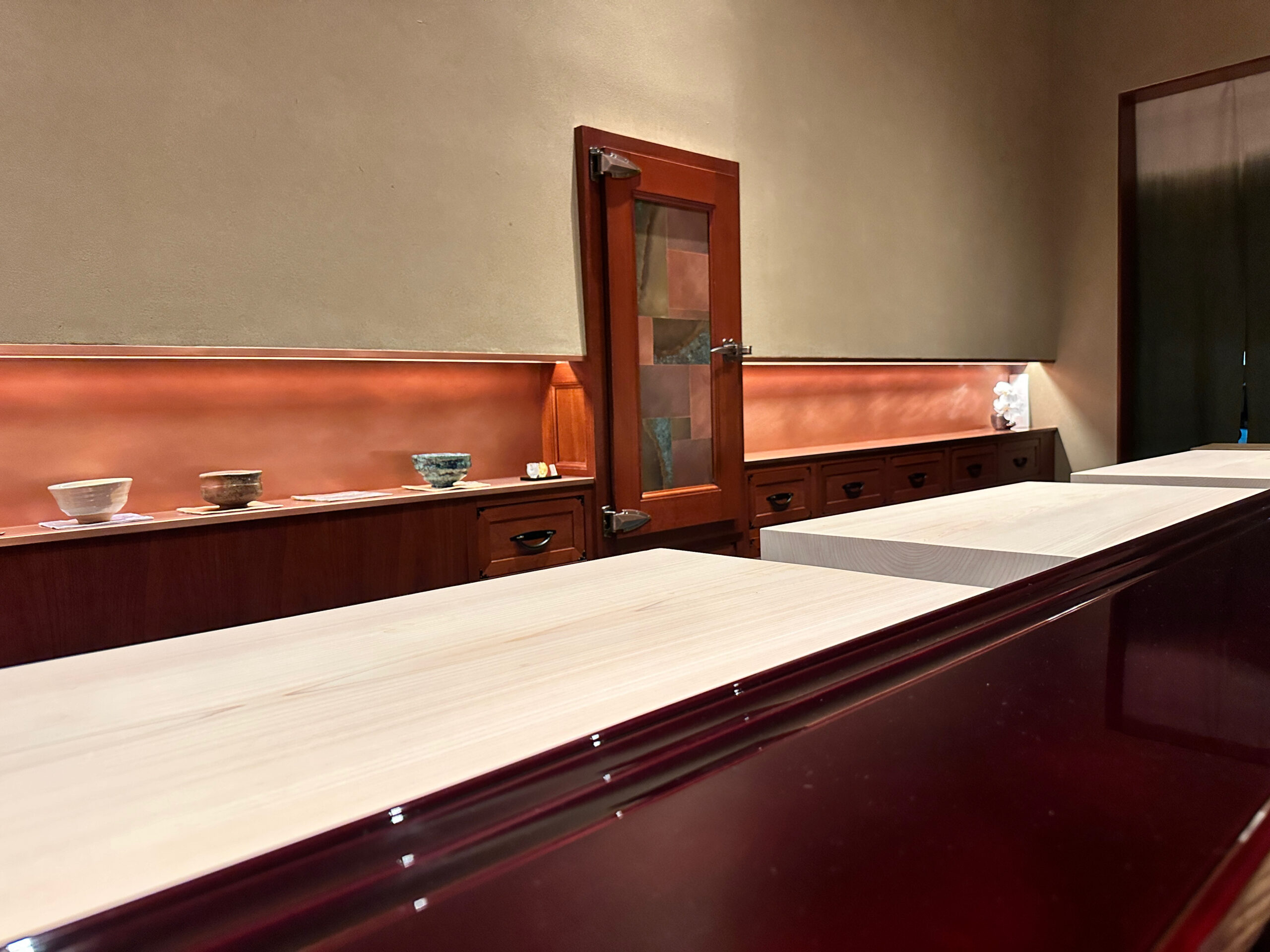
This is the tea-ceremony room, sometimes used for dessert. Nakazawa-san’s daughter often presides. I find this place to be very relaxing.
ADDRESSING COMMON MISCONCEPTIONS/FAQ
I’ve run through this sushiya twice, so I won’t bore you with some of the finer details. What I haven’t done is answer some of the common misconceptions. Consider this a guide if you’ve never been.
1. You do not need to spend $1,000 on your meal
Sushi Sho’s ~24 course Omakase is $450 as of today. The Okonomi range from $10 (the kanpyomaki, which I highly recommend) to $50 per course, but average is about $30. Tax is 8.75% and gratuity is included. So yes, it is absolutely possible to leave without 4 digits on your credit card. Sure, you can order all 30 Okonomi courses and blow through that wall like me on Wario Stadium – I owned that shortcut – but it’s not required unless you want to leave stuffed. Which brings me to my next point…
2. If you’re expecting to leave stuffed like a Christmas turkey, please recalibrate your sushi dial
I’ve seen reviews on Google (first mistake) deriding the size of the meal. If being rolled home is your goal, Sushi Sho is not the place for you. I’d also argue that sushi isn’t the cuisine for you. Go to Carbone. Go eat italian (I love Italy). Shit, go to Icca, one of the best sushiya in the city, which has Italian courses on offer.
But don’t go here. This is to experience theatre and techniques you won’t find in many places, plus for some of us (maybe just me), it’s to take a deep breath without needing to scroll a phone.
3. The Okonomi process is normal, find a new slant
After the Omakase is complete, Nakazawa-san shows everything available for customers to order. That’s what Okonomi means – up to us. He does this one-at-a-time, while one of the 400 staff translates individually for the 10 diners (if necessary). Well, some lunatics online complained about that:

Screenshot of a google review from a dummy
First of all, I hope reading that steaming pile of odorous excrement – if you know what movie that’s from, gold star – reminds everyone why The Sushi Legend should be used for your sushi insights, and not the Yelps of the world.
Secondly, a brief lesson. Historically, customers wouldn’t know what a sushiya had available on any given day. The solution? Displaying everything in a refrigerated case “right in front of the diner’s eyes” (The Book of Sushi, one of my favourites). Well, this may shock some, but Sushi Sho isn’t going to put a refrigerated case on top of a 17,000 year old counter. And yet diners still need to see what’s available, and so this is the obvious – and fantastic – solution.
4. The Okonomi pricing is reasonable if you understand restaurants
For a la carte, sushiya have a difficult dance; source enough to cover every potential order, but not too much so that ingredients go unused. Two options; order very little, which can mean unhappy customers, or order more, and increase prices to cover any loss (unused ingredients are repurposed). At a sushiya of this caliber, it surely makes sense to do the latter.
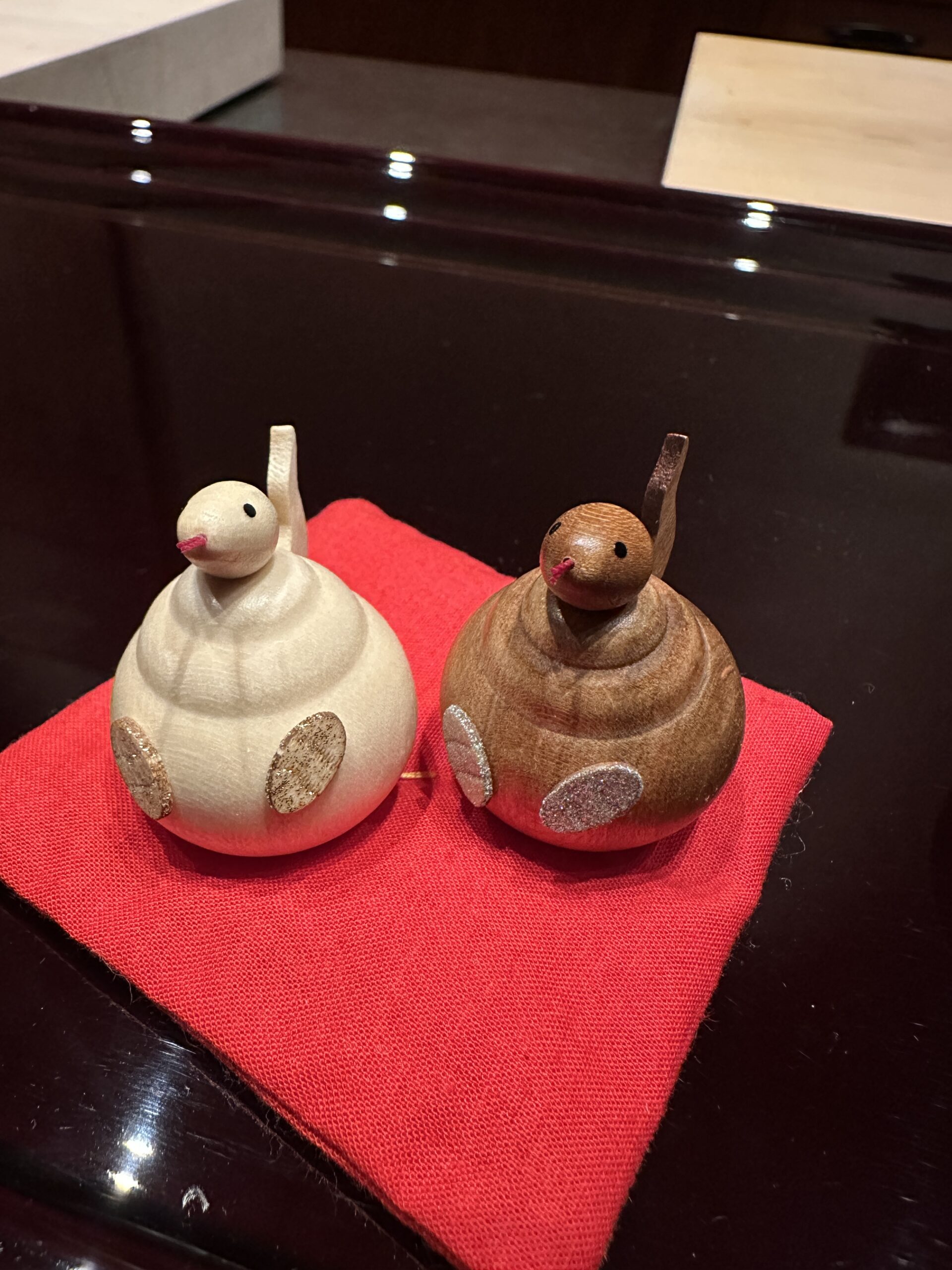
I love these things so much
SHO MAY BE THE FIRST RESTAURANT TO SUFFER FINANCIALLY FROM THE THIRD STAR
This is the fly in the ointment of Michelin, and credit to PuggleLover11 on reddit for this take.

The third star will undoubtedly make reservations more difficult, and attract star chasers rather than sushi chasers. How many are just going for the checkmark, and will leave after the Omakase?
And how much more difficult will reservations get for the real sushi addicts?
Hopefully not too bad, because this is a sushi lover’s paradise.